
“What should I wear in Egypt?” is really three questions: what is culturally appropriate, what is practical in the heat, and what keeps you comfortable from a Cairo winter evening to a Luxor summer noon. The good news: nobody expects tourists to dress like locals, and you do not need a special wardrobe. A few smart choices cover every situation from the Khan el-Khalili bazaar to a Red Sea beach.
The Basic Principle
Egypt is a conservative, majority-Muslim country, but its tourist areas are used to every kind of visitor. The practical guideline for what to wear in Egypt is modest and light: cover shoulders and knees in cities, at religious sites and in local neighborhoods, and wear whatever you like inside beach resorts. Loose, breathable fabrics beat tight and skimpy every time – for cultural comfort, sun protection and simple temperature management. Keep that principle in mind and what to wear in Egypt becomes a packing exercise, not a culture clash.
What to Wear in Egypt: For Women
Women travelers get the most questions about dress code, so here is the specific version: Most of what to wear in Egypt for women comes down to three rules: cover shoulders, cover knees, and keep fabrics loose.
- Cities and sightseeing: Tops that cover shoulders (t-shirts and blouses are fine; thin strappy tank tops will draw stares) and bottoms that reach the knee or below. Loose linen trousers, maxi skirts, midi dresses and wide-leg pants are the Egypt uniform for a reason – cool, comfortable and appropriate everywhere.
- Headscarves: Not required anywhere except inside active mosques. Carry a light scarf in your day bag; it doubles as sun protection and a shoulder cover when you duck into a mosque or a conservative neighborhood.
- Beachwear: Bikinis and swimsuits are completely normal at Red Sea resorts and hotel pools. The cover-up rule applies in between – throw on a dress or shorts and shirt to walk through the lobby or into town.
- What to skip: Very short shorts, low-cut tops and sheer fabrics in cities and at monuments. Not because anything will happen to you, but because unwanted attention rises with exposure, and dressing modestly buys you a noticeably smoother day.
For Men
Men have it easier but not unlimited. Shorts are fine at resorts, on cruises and at the big tourist sites, though knee-length looks better than thigh-length. In cities, lightweight trousers or jeans with a t-shirt or polo blend in perfectly – Egyptian men rarely wear shorts in the city themselves. Singlets and shirtless looks belong at the pool only. For mosque visits, long trousers and a shirt with sleeves are the respectful standard. For men, what to wear in Egypt is simpler still: long shorts or light trousers and a t-shirt work almost everywhere tourists go.
At Religious Sites
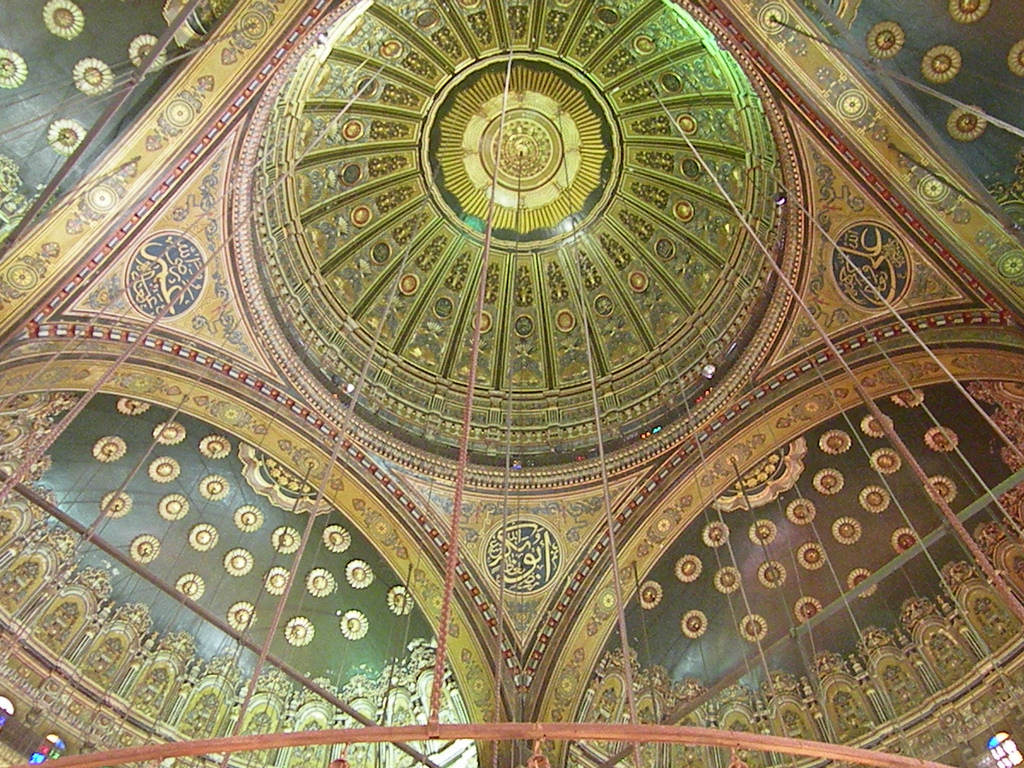
Religious and historic sites across the country – opening details are on the official Experience Egypt tourism portal. Mosques (like the stunning Muhammad Ali Mosque at the Citadel, or Al-Azhar) admit tourists outside prayer times. Everyone removes shoes at the entrance – wear socks you are happy to be seen in, or slip-ons you can shed easily. Women need the scarf here, plus covered arms and legs; many major mosques lend cover-up robes at the door. Coptic churches in Old Cairo are relaxed by comparison – ordinary modest city clothing is fine. Mosques are the strictest test of what to wear in Egypt, so carry a light scarf or layer on sightseeing days.
Dressing for the Climate
Clothing choices in Egypt are as much about physics as culture: What to wear in Egypt is half culture, half climate, and the climate half is unforgiving at midday.
- Fabric: Linen, cotton and technical quick-dry fabrics. Leave the polyester clubwear at home – it turns into a personal sauna.
- Color: Light colors reflect the fierce sun. The classic desert-explorer look exists because it works.
- Coverage as sun protection: Long, loose sleeves are cooler than bare skin plus sunscreen in Upper Egypt’s summer, and you will not burn.
- Layers for winter: December to February, Cairo evenings drop toward 10C (50F) and Nile cruise decks get properly chilly after sunset. A fleece or light jacket, jeans and closed shoes belong in your winter bag. First-time winter visitors are always surprised – Egypt is not hot all the time.
The season matters as much as the dress code, so check our guide to the best time to visit Egypt against your travel dates before you pack.
Footwear
You will walk miles on sand, stone, polished temple floors and uneven 4,000-year-old steps. The priority list: broken-in walking shoes or sturdy trainers for sightseeing days, sandals with straps (not flip-flops) for hot casual days, and flip-flops for pools and resort life. Heels have no natural habitat in Egypt. Whatever you bring, make sure it is already comfortable – a pyramid complex is a terrible place to break in new shoes. Footwear is the most underrated part of what to wear in Egypt, and blisters ruin more temple days than dress codes ever do.
Accessories That Earn Their Space
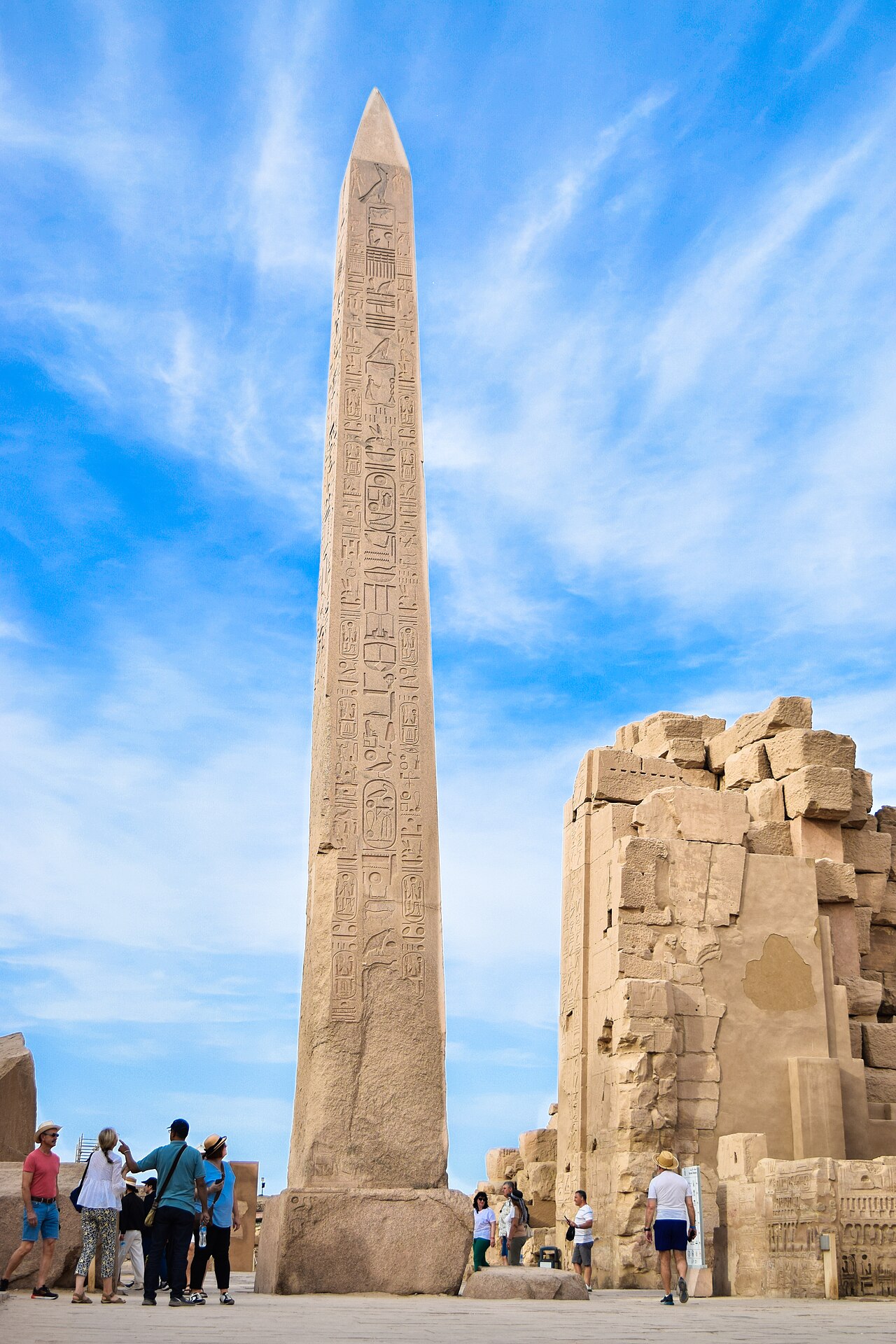
- Hat: Non-negotiable from April to October – wide-brimmed beats a cap at open sites like Karnak and the Valley of the Kings, where shade is a rumor.
- Sunglasses: The light off sand and limestone is genuinely intense.
- Scarf or buff: Dust, sun, mosque visits, breeze on the felucca – the most useful item you will pack.
- Small crossbody bag: Keeps hands free and valuables in front of you in crowded markets.
Nile Cruises, Restaurants and Evenings
Cruise dress codes are relaxed-smart. Daytime is shorts and t-shirts; dinner on board leans toward clean, casual-smart – trousers and a shirt for men, a sundress or nice top for women. No formal wear needed. The same applies to nicer restaurants in Cairo and Zamalek: smart casual gets you in everywhere. If you are planning evenings out, our Cairo at night guide shows the range from casual ahwas to rooftop restaurants. Evenings are where what to wear in Egypt relaxes a notch, especially on cruises and in resort towns.
What to Wear in Egypt by Destination
- Cairo: The most conservative of the tourist stops – modest city clothing, comfortable shoes for the Metro and market lanes.
- Pyramids and Saqqara: Sightseeing gear plus sun armor – hat, sunglasses, closed shoes for sand and rubble. Our Pyramids visitor guide has more on what the site itself is like.
- Luxor and Aswan: Lightest fabrics you own in summer; a layer for winter mornings on the West Bank. See the Luxor travel guide for the day-by-day rhythm.
- Red Sea resorts: Resort casual – swimwear by day, easy summer clothes by night.
- Nile cruise: As above – relaxed by day, smart casual at dinner, per our Nile cruise guide.
Common Dress Mistakes Tourists Make in Egypt
After watching thousands of visitors, the recurring errors are predictable. Dressing for the brochure photo, not the day: that flowing outfit looks great for ten minutes at Karnak and miserable for the next four hours in full sun – breathable and covered beats photogenic. Brand-new shoes: the pyramids’ sandy rubble and the West Bank’s rocky paths eat fresh footwear and the feet inside them. All black everything in summer: black absorbs heat; desert dressers learned centuries ago that loose white and beige are the technology.
No layer in winter: January tourists shivering on Nile cruise decks in t-shirts is a genuine genre – the desert cold after sunset surprises everyone. Beach clothes in the city: swimwear-adjacent outfits in downtown Cairo will not get you in trouble, but they will get you stared at and hassled in a way that modest clothing simply avoids. None of these are dangers – just comfort and smoothness you can buy for free with better choices. Most mistakes in what to wear in Egypt come from packing for the brochure photos instead of the actual country.
Laundry and Buying Clothes in Egypt
On a longer trip you can pack for one week and wash as you go. Hotel laundry is reliable but priced per item in that mysterious way that makes a t-shirt cost like a meal; local laundries (mocwagi) in city neighborhoods charge a fraction and usually deliver same or next day.
If you need something you forgot, Egypt is a genuine cotton country – the local cotton clothing in markets and shops is cheap and good, and buying a couple of loose shirts or a scarf locally is both practical and a decent souvenir. Khan el-Khalili and the markets of Luxor and Aswan sell the classic tourist galabeya (the loose traditional robe); it makes a fun cruise-deck outfit and excellent hot-weather loungewear at home. Haggle with a smile and our Cairo travel tips for the bargaining basics.
Swimming, Gyms and Special Situations
A few situations catch travelers off guard. Hotel pools and private beaches: normal swimwear is fine everywhere tourists stay; a burkini is equally unremarkable if that is your preference – Egyptian resorts see both daily. Public beaches and local swimming spots: more conservative; women are more comfortable in a t-shirt and leggings over a swimsuit, and men in longer shorts. Desert trips: everything covered, plus a scarf you can wrap against sand and wind – the Bedouin head-wrap you will be offered is practical, not a costume.
Mosque visits for men: the long-trousers rule is soft at major tourist mosques, where knee-length shorts are tolerated, but trousers plus a collared shirt never feel out of place. Upscale restaurants and hotel bars in Cairo: smart casual is the floor; shorts and flip-flops can get a polite refusal at the door of the nicer Zamalek and Garden City spots. When in doubt, the local test is simple: look at what well-dressed Egyptians around you are wearing, and aim one notch more casual.
The One-Minute Packing Formula
Loose linen trousers x2, knee-length skirts or light dresses, t-shirts and light shirts covering shoulders, one scarf, one light jacket or fleece (October-April), walking shoes, strapped sandals, hat, sunglasses, swimwear plus cover-up. That handful of items covers temples, mosques, cruises, cities and beaches from January to December – modest where it matters, cool where it counts, and nothing you will regret carrying.
Your turn: Packing for a specific month or a tricky stop on the itinerary? Ask in the comments and I will tell you exactly what I would bring.