
Egypt Travel Guide: Everything You Need to Know Before Your Trip
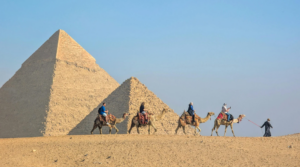
Planning a trip to Egypt is less about deciding whether there is enough to see and more about deciding how to fit the country together. Cairo, Giza, Luxor, Aswan, the Red Sea, Alexandria, and the desert all offer very different experiences, and trying to cover too much can turn a promising itinerary into a sequence of long transfers.
For a first visit, the most useful approach is to choose your priorities before booking anything. If ancient history is the main reason for your trip, Cairo, Giza, Luxor, and Aswan should take up most of your time. If you want to combine sightseeing with beaches, add Hurghada or Sharm El Sheikh rather than trying to visit every major destination.
Egypt also requires a little practical preparation. Visa rules depend on nationality, temperatures vary considerably between regions, cash is still useful for everyday purchases, and some journeys are much easier by air than overland.
This Egypt travel guide brings those decisions together so you can build a realistic trip before you arrive.
How Many Days Do You Need in Egypt?
For a first trip, 7 to 10 days is a practical range for seeing several of Egypt’s major highlights without turning every day into a travel day.
A shorter trip can work, but the itinerary needs to be selective.
| Trip length | A practical focus |
|---|---|
| 3–4 days | Cairo and Giza |
| 5–6 days | Cairo, Giza and Luxor |
| 7–8 days | Cairo, Giza, Luxor and Aswan |
| 9–10 days | Cairo, Nile Valley and a Red Sea resort |
| 12–14 days | A broader trip combining history, Nile destinations and the coast |
The important point is not simply the number of days. It is the amount of movement you are willing to accept.
For example, a week divided between Cairo, Luxor and Aswan can provide a strong introduction to ancient Egypt. Adding a Red Sea destination is possible, but it reduces the amount of time available for museums, temples and archaeological sites.
If you have two weeks, the country becomes much easier to experience at a slower pace.
Where Should You Go in Egypt?
Egypt is easier to plan when you think of it as several travel regions rather than one destination.
Cairo and Giza
Cairo is usually the natural starting point for a first visit. It gives you access to the Giza pyramid complex as well as museums, historic neighborhoods, Islamic architecture and the wider urban culture of the capital.
Giza is close enough to Cairo to be incorporated into the same part of your itinerary rather than treated as a separate trip.
Give Cairo enough time to avoid reducing the city to a quick pyramid stop. The capital is also useful as a base for understanding modern Egyptian life before heading south.
Luxor
Luxor is the place to prioritize if ancient Egyptian history is the central purpose of your trip.
The city sits on the Nile and provides access to major archaeological areas on both the east and west banks. It is also one of the main starting points for Nile cruises toward Aswan.
If you are particularly interested in temples, tombs and pharaonic history, Luxor deserves more than a rushed overnight stop.
Aswan
Aswan offers a slower pace and a different Nile experience. It is particularly useful for travelers who want to combine archaeological sightseeing with time beside the river.
It also works naturally with a Nile itinerary linking Aswan and Luxor. Egypt’s official tourism information notes that Nile cruises commonly operate between Luxor and Aswan, with itineraries ranging from several nights and stopping at major attractions.
Hurghada and the Red Sea
If you want to add several days of relaxation to a history-focused trip, the Red Sea coast is an obvious contrast.
Hurghada is suited to travelers looking for resort facilities and access to Red Sea activities. Other coastal destinations, including Sharm El Sheikh and Dahab, offer different combinations of beaches, diving, outdoor activities and smaller-town atmosphere.
The official tourism authority groups Egypt’s travel experiences into major regions including the Nile, Red Sea, Mediterranean coast, and deserts and oases.
Alexandria
Alexandria works well as an additional destination for travelers interested in Mediterranean Egypt, history and coastal atmosphere.
It is not essential for a first trip if your main goal is ancient Egyptian civilization. If your itinerary is already full with Cairo, Luxor, Aswan and the Red Sea, adding Alexandria may create more movement than value.
What Is the Best Time to Visit Egypt?
Egypt can be visited throughout the year, but the most comfortable period depends heavily on where you are going and how much outdoor sightseeing you plan to do.
Egypt’s official tourism authority describes the climate as generally sunny, with a moderate winter and hot, dry summers. It notes that conditions differ between regions, with the Mediterranean coast, Red Sea coast and southern Egypt experiencing different patterns.
November to March
For travelers planning extensive sightseeing in Cairo, Giza, Luxor and Aswan, the cooler months are generally more comfortable for spending long periods outdoors.
This is particularly relevant if your itinerary includes archaeological sites where shade can be limited.
April and October
These months can work well for travelers who want a balance between sightseeing and warmer weather. Conditions can vary by region, so check the forecast for each destination rather than relying on a single national temperature.
May to September
Summer can be very hot, especially in southern Egypt and desert areas. The official tourism authority describes Egyptian summers as hot and dry, while coastal conditions can differ.
If you travel during summer, plan outdoor visits around the heat, stay hydrated, and avoid building an itinerary that requires long hours walking in direct sun.
Do You Need a Visa for Egypt?
Visa requirements depend on your nationality, so this is one part of your trip that should be checked before booking non-refundable travel.
Egypt’s official e-Visa portal states that eligible travelers can apply online and that applications should be created at least seven days before departure. The portal also provides the current list of nationalities eligible for the electronic visa.
The official e-Visa portal currently lists tourist visa fees of US$30 for a single-entry visa and US$65 for a multiple-entry visa for travelers who require those e-Visas.
The portal also states that a passport should be valid for at least six months from the arrival date and that travelers should carry a printed copy of the e-Visa along with their travel itinerary and relevant accommodation information.
There are other entry arrangements for certain nationalities. Egypt’s official tourism authority also provides information about visa-on-arrival eligibility and special entry arrangements for some South Sinai trips.
Because entry rules can change, check the official Egyptian visa portal before departure:
How Do You Get Around Egypt?
Egypt is a large country, so transportation should be part of your itinerary rather than something you decide after arriving.
The official tourism authority lists trains, buses, taxis and ride-hailing services among the common transportation options for tourists. It also notes that licensed tourist vehicles and organized transfers can be arranged through hotels and tour operators.
Flying
Domestic flights can save substantial time when your itinerary connects distant parts of the country.
For example, flying can make more sense than spending a large portion of a short vacation traveling overland when you are connecting Cairo with destinations in southern Egypt or the Red Sea region.
Trains
Trains are an important part of Egypt’s intercity transportation network, particularly along the Nile Valley.
Egyptian National Railways provides an official online booking service. However, its current booking page states that online ticket reservation is available for Egyptian nationals, with reservations for other nationalities listed as under construction.
That means international visitors should check the current booking arrangements before relying on the website for a particular journey.
Egyptian National Railways booking page
Taxis and Ride-Hailing
Taxis and ride-hailing services can be useful inside major cities.
For travelers unfamiliar with local routes, using a reputable ride-hailing service or arranging transportation through a hotel can make the process easier than negotiating every journey on the street.
Nile Cruises
A Nile cruise can combine transportation and sightseeing in one part of your itinerary.
Cruises commonly connect Luxor and Aswan and stop at major archaeological attractions along the river. The official tourism authority also highlights traditional feluccas and dahabeyas as other ways to experience the Nile.
Where Should You Stay?
Where you stay can have a bigger effect on your trip than choosing between two similar hotels.
In Cairo, choose your neighborhood based on what you want to do rather than simply looking for the cheapest room. A location that saves substantial daily travel time can be worth paying more for.
For Giza, staying near the pyramid area can make early sightseeing easier.
In Luxor, staying near the Nile gives you convenient access to restaurants, boats and transportation, while the west bank offers a different atmosphere and closer access to several archaeological sites.
In Aswan, a Nile-facing location can make the city itself part of the experience rather than simply a base for sightseeing.
For Red Sea destinations, the right area depends on whether your priority is a full-service resort, diving, nightlife, beaches or a quieter atmosphere.
What Should You Pack for Egypt?
Your packing list should reflect the climate and the type of sightseeing you are doing.
Egypt’s official tourism authority recommends lightweight, loose clothing, sun protection and comfortable shoes. It also advises carrying a scarf or light cardigan because visitors may need to cover their arms and legs at certain religious and cultural sites.
For a typical sightseeing trip, consider:
- Comfortable walking shoes
- Lightweight clothing
- Sunscreen
- Sunglasses
- Hat or cap
- Reusable water bottle
- Light jacket for cooler evenings
- Scarf or cardigan for religious sites
- Universal travel adapter
- Copies of important travel documents
If your itinerary includes both southern Egypt and the Red Sea, pack for different conditions rather than assuming the entire country will feel the same.
What Money Should You Carry in Egypt?
The Egyptian pound is the local currency.
Cards are accepted in major cities and tourist destinations, but Egypt’s official tourism authority notes that cash remains useful, particularly for taxis and smaller shops.
For that reason, do not plan a trip assuming you can pay for every small purchase by card.
A practical approach is to keep some Egyptian cash available for everyday expenses while using cards where they are accepted.
Avoid exchanging money through unofficial channels. Use recognized banks, exchange services or ATMs, and keep track of exchange receipts when appropriate.
What Language Is Spoken in Egypt?
Arabic is the official language.
English is widely understood in major urban areas and tourist destinations, and the official tourism authority notes that other European languages are also commonly spoken in popular tourist areas.
You do not need to speak Arabic to travel around the main tourist destinations, although learning a few basic Arabic expressions can make everyday interactions easier.
Simple words such as shukran (thank you) and afwan (you’re welcome/excuse me) are useful starting points.
What Should You Know About Dress and Local Customs?
Egypt is not a destination where travelers need to dress formally every day, but modest clothing is particularly important when visiting religious sites.
The official tourism authority recommends that visitors cover their shoulders and legs when visiting mosques, churches and other places of worship.
A lightweight scarf can therefore be useful even if you are traveling during hot weather.
At archaeological sites and resorts, dress is generally more relaxed, but visitors should still consider the local setting.
The simplest rule is to dress comfortably for the weather while adjusting your clothing when entering religious or culturally significant places.
Can You Take Photos in Egypt?
Photography rules are more specific than many visitors expect.
Egypt’s official tourism information states that personal, non-commercial photography in public places is generally permitted without a permit, including at archaeological sites and museums, but restrictions apply in certain government, security and sensitive locations. It also states that photographing children is prohibited and that professional equipment and drones may require special permits.
Do not photograph military facilities, police facilities or other restricted locations simply because they happen to be visible.
If you are carrying professional camera equipment or a drone, check the relevant requirements before traveling.
Is Egypt Suitable for a First International Trip?
Egypt can work well for first-time international travelers, but it rewards preparation.
The easiest approach is to avoid trying to organize every detail independently if you are uncomfortable with unfamiliar transportation systems or archaeological sites.
For major attractions, a licensed guide or reputable tour operator can be useful, particularly when you want historical context rather than simply walking through a site.
For independent travelers, the key is to organize the difficult parts in advance: airport arrival, intercity transportation, accommodation and major attraction visits.
You can leave more flexible time for restaurants, markets and exploring neighborhoods.
How Much Should You Budget for Egypt?
There is no single useful daily budget for every traveler because accommodation, transportation and activities can vary considerably.
Instead of relying on an artificial fixed number, divide your budget into categories:
| Expense | What affects the cost |
|---|---|
| Accommodation | Location, hotel category and season |
| Transportation | Flights, trains, private transfers and local rides |
| Attractions | Museums, archaeological sites and guided visits |
| Food | Local restaurants versus international hotels |
| Activities | Cruises, diving, desert trips and excursions |
| Shopping | Souvenirs, crafts and personal purchases |
The largest planning mistake is often focusing on hotel prices while underestimating transportation between destinations.
A cheaper hotel in the wrong location can also increase your daily transportation costs and reduce sightseeing time.
What Are the Biggest Planning Mistakes?
Trying to See Everything
Egypt is too large for a short trip to cover every major destination comfortably.
Choose a route that matches the number of days you actually have.
Moving Hotels Too Often
Changing accommodation every night can make a trip feel much longer than it is.
Whenever possible, stay several nights in each destination.
Ignoring Travel Time
A map can make destinations look close when the actual journey is inconvenient.
Build transportation time into your itinerary rather than treating it as free time.
Visiting Archaeological Sites at the Wrong Time of Day
Egypt’s heat can make outdoor sightseeing much harder, especially during summer.
For long days at temples or archaeological sites, an early start can make the experience more manageable.
Assuming One Season Works Everywhere
Cairo, the Nile Valley, the Mediterranean coast and the Red Sea can have different conditions.
Check the weather for each destination on your actual itinerary.
Waiting Until the Last Minute to Check Visa Rules
Visa eligibility is nationality-specific, and requirements can change.
Use the official Egyptian visa portal rather than relying on an old blog post or forum discussion.
What Should You Know Before Flying to Egypt?
Most international visitors arrive by air, and Cairo International Airport is the principal gateway for the capital.
The official Cairo Airport website provides passenger information, airport services and flight-related information.
If Cairo is your first stop, save your hotel address and booking information somewhere accessible before landing.
It is also useful to keep your passport, visa documentation, accommodation details and onward travel information together rather than buried inside checked luggage.
Cairo Airport advises passengers that check-in requirements vary according to the airline and destination, with airport registration potentially required between one and four hours before departure depending on those factors.
A Practical First-Time Egypt Itinerary
If you have around a week, a route built around Cairo, Luxor and Aswan gives you a strong introduction to the country’s historic core.
Days 1–3: Cairo and Giza
Use the first days for Cairo’s major sights and the Giza pyramids. Leave some time for the city itself rather than treating Cairo only as an arrival point.
Days 4–5: Luxor
Move south and focus on the major temples and archaeological areas.
Days 6–7: Aswan
Continue toward Aswan and spend time beside the Nile. Depending on your transport arrangements, you can also use a Nile cruise as part of the journey.
For a longer trip, add several days on the Red Sea rather than filling the extra days with additional long-distance transfers.
The best itinerary is the one that leaves enough time to actually experience each place.
Frequently Asked Questions
Is Egypt expensive to visit?
Egypt can accommodate different travel styles, from budget-oriented trips to luxury hotels, private tours and Nile cruises. Your total cost depends heavily on accommodation, domestic transportation, guided activities and the number of destinations you include.
How many days are enough for Egypt?
Around 7–10 days is a useful starting point for a first trip covering several major destinations. Three or four days can work for Cairo and Giza alone, while two weeks allows a slower itinerary.
What is the best month to visit Egypt?
There is no single best month for every itinerary. Cooler months are generally more comfortable for extensive sightseeing, while summer is much hotter, particularly in southern Egypt. Check conditions for the specific regions you plan to visit.
Do I need an Egyptian visa?
That depends on your nationality and travel circumstances. Eligible nationalities can apply through Egypt’s official e-Visa portal, while other travelers may have different visa arrangements. Check the official portal before departure.
Can I use credit cards in Egypt?
Cards are accepted in many major hotels, stores and tourist destinations, but cash remains useful for taxis, small shops and other everyday purchases.
Is English spoken in Egypt?
English is widely understood in major cities and tourist destinations. The official tourism authority also notes that multilingual guides and speakers of several European languages are available in popular tourist areas.
Plan the Trip Around Your Priorities
The easiest way to plan Egypt is to decide what you want the trip to feel like before choosing every destination.
If ancient history is the priority, give more time to Cairo, Giza, Luxor and Aswan. If you want a combination of sightseeing and relaxation, add the Red Sea. If you prefer a slower trip, reduce the number of cities rather than trying to squeeze everything into one itinerary.
Check visa requirements before booking, pay attention to seasonal temperatures, keep some Egyptian cash available, and plan long-distance transportation in advance.
Most importantly, leave room in the itinerary for the places between the major attractions. Egypt is not only a checklist of monuments; the Nile, neighborhoods, markets, food and everyday life are part of what makes traveling through the country different from simply visiting its famous landmarks.
Sources & References
- Experience Egypt — Official Egyptian Tourism Authority — visa information, climate, packing, transportation, photography and practical travel information.
- Egypt e-Visa Portal — Ministry of Interior — official e-Visa eligibility, requirements and application information.
- Egyptian National Railways — official railway booking information.
- Cairo International Airport — airport and passenger information.