
Is Egypt Worth Visiting? A Complete Guide for First-Time Travelers
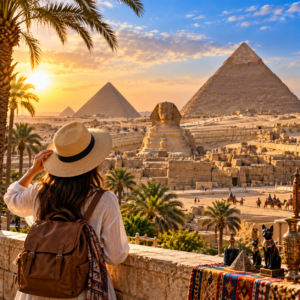
If you’re wondering whether Egypt is worth visiting, the answer depends less on whether you want to see the pyramids and more on what you expect from a trip. Egypt can be fascinating for travelers who want ancient monuments, major archaeological sites, Nile scenery, Red Sea beaches, museums, and a destination where everyday life feels very different from a typical European or North American city break.
But Egypt is not a destination that rewards a completely unplanned itinerary. Distances between major sights can be significant, traffic in Cairo can make short journeys take time, temperatures can be demanding, and the experience of visiting famous archaeological sites is very different from spending a few days at a Red Sea resort.
For a first-time visitor, the real question is not simply “Is Egypt worth visiting?” It is “Is Egypt the right kind of destination for me?”
This guide looks at what makes Egypt worthwhile, what can make the trip challenging, how much time you need, which destinations are worth considering, and what to know before booking.
So, Is Egypt Worth Visiting?
For travelers interested in history, archaeology, culture, the Nile, or the Red Sea, Egypt offers an unusually broad combination of experiences within one country.
The official Egyptian tourism authority highlights archaeological sites, museums, Nile cruises, Red Sea activities, desert experiences, nature, and contemporary culture among the country’s major travel experiences.
The biggest reason to visit is the concentration of historically significant places.
The Giza pyramid complex is part of the UNESCO-listed Memphis and its Necropolis site, while Luxor contains major monuments associated with ancient Thebes. Further south, Aswan and Abu Simbel add another layer to an itinerary focused on ancient Egyptian history.
But Egypt is not only an archaeology trip.
Cairo offers historic neighborhoods, markets, museums, restaurants, and contemporary city life. The Red Sea provides a completely different type of holiday, with coastal resorts and opportunities for snorkeling and diving. The official tourism authority also presents the Nile, Mediterranean coast, deserts and oases as distinct travel regions.
That variety is one of Egypt’s strongest advantages for travelers who want more than one type of experience.
What Makes Egypt Worth Visiting?
The Pyramids Are Only the Beginning
Seeing the Pyramids of Giza is an obvious reason to visit Egypt, but stopping there would leave out much of what makes the country interesting.
The Giza Plateau contains the Great Pyramid of Khufu, the pyramids of Khafre and Menkaure, the Sphinx, temples, tombs and other archaeological structures. The broader Memphis and its Necropolis World Heritage Site also includes important locations such as Saqqara and Dahshur.
For someone visiting Egypt for the first time, this means you can build a much richer historical itinerary than simply spending a few hours at the pyramids.
Luxor Is a Major Reason to Go
If ancient Egyptian history is your main interest, Luxor can be one of the most rewarding stops on the trip.
The city is divided by the Nile into the East and West Banks. Karnak Temple and Luxor Temple are major East Bank attractions, while the West Bank provides access to sites including the Valley of the Kings and the Temple of Hatshepsut.
This is also why travelers who are particularly interested in archaeology may want to spend more time in southern Egypt rather than allocating the entire trip to Cairo.
The Nile Changes the Experience
The Nile is more than a geographical feature on a map. It shapes the way many travelers experience southern Egypt.
A Nile cruise can connect Luxor and Aswan while allowing travelers to see archaeological sites along the river. The official tourism authority also promotes traditional sailing experiences and other forms of river travel.
For travelers who prefer a slower pace, adding time beside the Nile can provide a useful contrast to the intensity of Cairo.
The Red Sea Adds a Completely Different Holiday
One of the most useful things about Egypt is that you do not have to choose between a historical trip and a beach holiday.
The country’s Red Sea coast offers resort destinations and marine activities, including snorkeling and scuba diving. The official tourism authority identifies the Red Sea as one of Egypt’s principal travel regions and highlights its underwater environment and coastal experiences.
This makes Egypt particularly interesting for travelers who want to combine sightseeing with several quieter days by the sea.
Who Is Egypt Best Suited To?
Egypt can appeal to several different types of travelers, but the experience varies considerably depending on what you want from the trip.
If You Love History
Egypt is an obvious candidate for a history-focused vacation.
You can move from the pyramids and ancient necropolises around Cairo and Giza to the temples and tombs of Luxor and then continue south toward Aswan and Abu Simbel. Egypt’s tourism authority lists seven UNESCO World Heritage Sites across the country.
A trip like this is much more substantial than a conventional city break.
If You Enjoy Cultural Travel
Cairo provides a different experience from the archaeological sites.
The city combines historic Islamic and Coptic areas with modern neighborhoods, markets, cafés and life along the Nile. The official tourism authority describes Cairo and Giza as a combination of ancient monuments and contemporary urban culture.
Travelers who want to understand modern Egypt should therefore avoid treating Cairo as nothing more than a gateway to the pyramids.
If You Want a Beach Holiday
Egypt can also work as a primarily coastal vacation.
The Red Sea destinations provide a different atmosphere from Cairo and Luxor, with resort accommodation and marine activities. Sharm El Sheikh, Hurghada and other coastal destinations can be considered depending on the type of beach holiday you want.
If You Prefer Slow, Easy Travel
This is where Egypt requires more planning.
A trip that includes Cairo, Luxor, Aswan and a Red Sea destination can involve several transfers. If you dislike changing hotels, early departures or long transportation days, you may enjoy Egypt more by choosing fewer destinations.
A shorter itinerary with two or three bases can be more comfortable than trying to cover the whole country.
What Might Make Egypt Challenging?
An honest answer to whether Egypt is worth visiting also needs to consider the parts that can make the experience demanding.
Cairo Can Be Intense
Cairo is enormous, busy and highly active.
Traffic can complicate transportation, and popular attractions can be crowded. The city is rewarding for travelers who enjoy urban energy, but someone looking for a quiet, predictable city break may find it overwhelming.
The solution is not necessarily to skip Cairo. It is to plan realistic travel times and avoid filling every hour of the day.
The Heat Can Affect Your Itinerary
Weather matters, especially when your trip includes long periods outdoors.
Egypt’s tourism authority describes the country as generally sunny, with hot, dry summers and regional differences in climate.
A day exploring temples and archaeological sites can feel very different in cooler weather compared with the hottest part of the year.
If sightseeing is your priority, consider the season carefully rather than choosing dates based only on flight prices.
Tourist Areas Can Be Persistent
Travelers may encounter vendors, touts and people offering services around major tourist attractions.
The UK’s current travel advice for Egypt specifically warns visitors to be cautious of scammers and touts in tourist areas.
That does not mean every interaction is problematic. It does mean that travelers should be comfortable saying no, confirming prices before accepting services, and using reputable providers for tours and excursions.
It Is Not a Destination for Completely Improvised Travel
Independent travel is possible, but some advance planning makes the experience easier.
You should know how you will move between major destinations, where you are staying, what entry requirements apply to your nationality, and which activities require advance arrangements.
The official Egyptian tourism authority provides dedicated information on entry visas, transportation, safety and practical travel.
How Many Days Should You Spend in Egypt?
The right length depends on how much of the country you want to see.
| Trip length | What it can realistically cover |
|---|---|
| 3–4 days | Cairo and Giza |
| 5–6 days | Cairo, Giza and Luxor |
| 7–8 days | Cairo, Luxor and Aswan |
| 9–10 days | Historical route plus Red Sea |
| 12–14 days | A slower multi-region trip |
For a first visit, 7–10 days gives you enough time to experience several major destinations without turning the entire trip into transportation.
If you only have four days, do not try to add Cairo, Luxor, Aswan and the Red Sea. Focus on Cairo and Giza, or choose a more specialized itinerary.
If you have two weeks, you have considerably more flexibility to slow down and add a coastal destination.
Which Places Are Worth Visiting on a First Trip?
Cairo and Giza
Choose Cairo and Giza if you want a mixture of ancient monuments and modern Egyptian city life.
The area includes the Giza pyramids, historic Cairo, museums, markets and neighborhoods with very different atmospheres.
Best for: first-time visitors, history, culture, museums and city experiences.
Luxor
Choose Luxor if ancient Egyptian history is the central purpose of your trip.
The city provides access to Karnak, Luxor Temple, the Valley of the Kings, the Valley of the Queens and other archaeological sites.
Best for: archaeology, temples and ancient history.
Aswan
Aswan is useful when you want a slower Nile-side experience combined with historical sites and Nubian culture.
The city also provides access to attractions such as Philae and can form part of a Nile itinerary toward Luxor or Abu Simbel.
Best for: Nile scenery, a slower pace and southern Egypt.
Red Sea Resorts
Choose a Red Sea destination if relaxation, snorkeling, diving and resort time are important to you.
Best for: beaches, water activities and combining relaxation with sightseeing.
Alexandria
Alexandria makes more sense for travelers who want to explore Egypt’s Mediterranean side and add a different urban atmosphere.
It is not essential for every first-time itinerary, especially if you have limited days.
Best for: Mediterranean atmosphere, history and an alternative to the main tourist route.
Is Egypt Good for a First International Trip?
It can be, but preparation matters.
You do not need to organize every minute of the trip. However, first-time visitors should understand entry requirements, accommodation locations and transportation before arrival.
Visa requirements depend on nationality. Egypt’s official e-Visa portal currently lists eligible nationalities and states that an e-Visa application must be created at least seven days before departure. It lists tourist e-Visa fees of US$30 for single entry and US$65 for multiple entry for travelers who require those visas.
The portal also states that passports must be valid for at least six months from the arrival date and that travelers should carry a printed e-Visa and relevant travel information.
Because entry requirements can change, travelers should check the official portal for their nationality before departure.
Is Egypt Safe for Tourists?
Safety information should be checked close to departure because conditions can change and travel advisories differ by country.
As of September 23, 2026, the UK’s Foreign, Commonwealth & Development Office advises against travel to specific parts of Egypt, including North Sinai and areas near the Egypt-Libya border, and advises against all but essential travel to several other specified areas. It also says that most visits by British travelers are trouble-free, while warning about terrorism, scams, harassment and transport risks.
The U.S. State Department currently lists Egypt at Level 2: Exercise Increased Caution, with specific higher-risk areas including Northern and Middle Sinai, some border areas and the Western Desert.
These advisories are not substitutes for checking the advice issued by your own government.
For a normal tourist itinerary, the practical approach is to check current regional advice, avoid restricted or high-risk areas, use reputable transportation and excursion providers, keep travel documents accessible, and maintain appropriate travel insurance.
Is Egypt Expensive to Visit?
Egypt can accommodate different travel styles, so there is no single number that accurately represents the cost of a trip.
Your budget will depend on:
- Accommodation level
- Number of domestic flights
- Train or private transportation
- Guided tours
- Archaeological site visits
- Nile cruises
- Restaurants
- Beach resorts
- Shopping and optional activities
The most important budgeting decision is often the itinerary itself.
A traveler visiting only Cairo and Giza has a very different cost structure from someone combining Cairo, Luxor, Aswan, a Nile cruise and a Red Sea resort.
For this reason, it is better to calculate your trip by destination and transportation rather than relying on a generic daily budget from an old travel article.
What Should First-Time Visitors Know Before Going?
A few practical decisions can make the trip much easier.
Plan around the heat. If your itinerary involves extensive outdoor sightseeing, choose clothing and daily schedules accordingly.
Carry some local cash. Cards are useful in many tourist businesses, but cash remains practical for smaller everyday purchases.
Dress appropriately for religious sites. Modest clothing is the safer choice when visiting mosques, churches and traditional neighborhoods.
Do not assume every attraction follows the same schedule. Check current opening information before building a tightly timed day.
Use reputable guides and excursion providers. This is particularly important for desert trips and activities where safety standards can vary.
Keep your passport and visa information accessible. Travel authorities recommend keeping copies of important documents separately from the originals.
Check regional travel advice. Egypt contains areas with very different security conditions, so do not treat the entire country as having identical travel conditions.
Egypt Compared With a Typical City-Break Destination
The best way to decide whether Egypt is right for you is to think about the kind of travel experience you want.
| If you want… | Egypt may offer… |
|---|---|
| Ancient history | Pyramids, temples, tombs and archaeological sites |
| A beach break | Red Sea resorts and marine activities |
| Cultural experiences | Cairo, historic districts, markets and museums |
| A river journey | Nile cruises and traditional sailing |
| A relaxed itinerary | Smaller number of destinations with longer stays |
| A fast-paced sightseeing trip | Several major sites across Cairo and southern Egypt |
| Completely predictable logistics | More planning may be required |
Egypt is particularly compelling when you want several of these experiences in one trip.
It is less suitable if your ideal vacation requires every part of the journey to be quiet, highly predictable and effortless.
Should You Visit Egypt for the Pyramids Alone?
If the pyramids are genuinely a bucket-list experience for you, they can justify the trip on their own.
But there is a practical reason to stay longer: the rest of Egypt gives context to what you see around Giza.
Visiting Luxor introduces a different scale of ancient architecture. Aswan changes the pace of the journey. Cairo provides the modern setting around the monuments. A Red Sea extension can transform the trip from a history-focused vacation into a broader holiday.
So, rather than flying to Cairo, visiting the pyramids and leaving immediately, consider whether a few additional days would allow you to experience another side of the country.
When Might Egypt Not Be the Right Choice?
Egypt may not be the best match if you strongly dislike:
- Busy cities
- Persistent sales approaches
- Long or complicated transfers
- Hot weather
- Planning around opening times and transportation
- Crowded major attractions
- Adapting to a different cultural environment
That does not make Egypt a poor destination. It simply means that the travel style may not match every traveler.
The key is to know what kind of experience you are booking.
The Bottom Line for First-Time Travelers
Egypt is worth considering when the things you want from a trip include ancient history, major archaeological sites, the Nile, museums, cultural experiences or Red Sea beaches.
Its strongest feature is variety. A single trip can move from the pyramids of Giza to the temples of Luxor, the Nile landscapes of Aswan and the beaches of the Red Sea.
The trade-off is that Egypt requires more planning than a simple resort holiday. Transportation, heat, entry requirements, regional travel advice and the pace of Cairo all deserve attention before you arrive.
For a first visit, a focused itinerary is usually more useful than trying to see everything. Choose two or three priorities, give yourself enough time in each destination, and verify current travel requirements shortly before departure.
If those are the kinds of decisions you are comfortable making, Egypt can offer a trip that is very different from a conventional vacation—and that difference is precisely what attracts many first-time visitors.
Sources & References
- Experience Egypt — Egyptian Tourism Authority / Ministry of Tourism and Antiquities — official destination, attraction and practical travel information. Experience Egypt
- Egypt e-Visa Portal — Ministry of Interior, Arab Republic of Egypt — official visa eligibility, fees and application requirements. Egypt e-Visa Portal
- UK Foreign, Commonwealth & Development Office — Egypt Travel Advice — current regional and safety guidance, checked September 23, 2026. UK Foreign Travel Advice: Egypt
- U.S. Department of State — Egypt Travel Advisory — U.S. government travel advisory and regional risk information. U.S. Department of State: Egypt Travel Advisory