
Red Pyramid Egypt: Everything You Need to Know
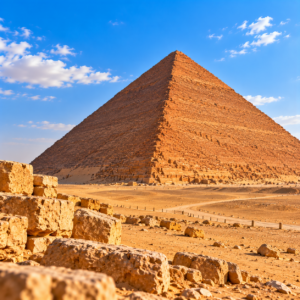
The Red Pyramid in Egypt is one of the most important monuments in the history of ancient Egyptian architecture. Located at Dahshur, south of Cairo, it represents a major step in the development of the smooth-sided pyramids that later became famous at Giza.
Built for King Sneferu during the Fourth Dynasty, the Red Pyramid stands out for its enormous scale, reddish stone, and carefully designed interior chambers. It is also one of the most interesting pyramids to explore if you want to understand how ancient Egyptian builders developed their techniques over time.
Unlike the Great Pyramid of Giza, which attracts visitors from around the world, the Red Pyramid is part of a quieter archaeological landscape. Its location makes it an excellent addition to a day trip from Cairo, especially if you are interested in ancient history, architecture, and the evolution of pyramid construction.
Whether you are planning to admire the monument from outside, explore its interior passages, or combine Dahshur with nearby archaeological sites, this guide covers the essential details you need to plan your visit.
Where Is the Red Pyramid in Egypt?
The Red Pyramid is located at Dahshur, an archaeological area south of Cairo in the wider Memphis necropolis. Dahshur contains several royal pyramids built during different periods of ancient Egyptian history, but the Red Pyramid and the nearby Bent Pyramid are its best-known monuments.
The site is farther from central Cairo than the Giza Plateau, so most visitors arrange transportation in advance. You can visit the Red Pyramid independently or include it in a guided excursion to Dahshur, Saqqara, and Memphis.
Dahshur is particularly valuable because its monuments reveal different stages of pyramid development. The Red Pyramid demonstrates a more regular smooth-sided design, while the Bent Pyramid nearby has a distinctive change in the angle of its sides.
Seeing both structures during the same visit helps explain how Egyptian builders refined their approach to constructing monumental royal tombs.
What Is the Red Pyramid?
The Red Pyramid is a large ancient Egyptian pyramid built for King Sneferu, who ruled during the Fourth Dynasty. It is widely recognized as one of the earliest successful examples of a true smooth-sided pyramid.
The monument gets its modern name from the reddish, rusty color of the stone visible on its exterior. Originally, the pyramid was covered with fine white limestone from Tura, south of modern Cairo. Much of this outer casing was removed and reused in later periods, exposing the reddish stone beneath it.
According to Egypt’s Ministry of Tourism and Antiquities, the Red Pyramid is the third-largest Egyptian pyramid after the pyramids of Khufu and Khafre at Giza.
Its importance goes beyond its size. The Red Pyramid represents a major stage in the development of pyramid architecture and helps explain how ancient Egyptian builders moved toward the more familiar pyramid forms seen at Giza.
Who Built the Red Pyramid?
The Red Pyramid was commissioned by King Sneferu, the first king of Egypt’s Fourth Dynasty. He is an important figure in ancient Egyptian history because of the scale and number of pyramid projects associated with his reign.
Before the Red Pyramid, Sneferu was associated with the Bent Pyramid at Dahshur and the pyramid at Meidum. These monuments reflect the experimentation that took place as royal architects and builders developed more reliable ways to construct large pyramids.
The Bent Pyramid has two distinct angles, creating its unusual profile. The Red Pyramid, by contrast, has a more consistent slope from its base toward its apex.
This difference makes the two monuments especially interesting when visited together. Rather than seeing them as separate attractions, travelers can view them as part of a broader architectural story.
The Red Pyramid shows the progress made during Sneferu’s reign and provides important context for the later pyramid-building achievements of the Fourth Dynasty.
Why Is It Called the Red Pyramid?
The Red Pyramid is named after the reddish color of its exposed stone blocks. The name can be slightly misleading if you imagine a pyramid that was always red.
When the monument was originally completed, its exterior was covered with white limestone casing stones. This polished outer surface would have given the pyramid a much lighter appearance than it has today.
Over the centuries, much of the casing was removed and reused for construction elsewhere. The exposed stone gradually became the defining visual feature of the monument.
Today, the contrast between the Red Pyramid’s reddish exterior and the pale desert landscape makes it particularly distinctive.
For photography, the color is often most noticeable when the sunlight creates shadows along the stone courses. The pyramid also looks impressive from a distance, where its size and regular shape are easier to appreciate.
Can You Go Inside the Red Pyramid?
Yes, visitors may be able to enter the Red Pyramid when interior access is open. However, access arrangements can change, so confirm the current rules before your visit.
The entrance is on the northern side of the pyramid. From there, a descending passage leads into the monument and connects with a series of internal galleries and chambers.
Entering the Red Pyramid is a very different experience from viewing it from outside. You move through narrow passages rather than spacious corridors, and the journey involves a steep descent that requires careful movement.
What Is the Interior Like?
The interior contains passages and chambers built with large stone blocks. Some chambers have corbelled ceilings, in which successive layers of masonry project inward until they meet near the top.
The Ministry of Tourism and Antiquities describes a sequence of internal spaces reached through the northern entrance. A descending passage leads to a chamber with a corbelled roof, followed by another chamber and a third space believed to have served as the burial chamber.
These rooms reveal the engineering techniques used to create enclosed spaces inside an enormous stone structure.
Unlike a modern museum, the interior is not designed primarily for comfort or accessibility. Visitors should be prepared for limited space, low sections, and a physically demanding route.
Is Entering the Red Pyramid Difficult?
For many visitors, the most challenging part is the narrow, sloping passage. The entrance passage is approximately one meter high and one meter wide, according to the official monument description.
This means that you may need to bend forward and move carefully for parts of the descent and ascent.
Before entering, consider the following:
- Mobility: The steep passage and confined spaces may be unsuitable for people with mobility limitations.
- Claustrophobia: The narrow interior can feel uncomfortable if you dislike enclosed spaces.
- Physical effort: Moving through the passage requires more effort than walking around the exterior.
- Footwear: Wear comfortable shoes with a secure grip.
- Personal belongings: A small bag is easier to manage than a large backpack.
Follow the instructions of site staff and do not enter if you feel unwell or uncomfortable with the conditions.
You can still enjoy the Red Pyramid without going inside. Its historical importance, scale, and exterior design make it worth visiting even if you choose to remain outside.
What Makes the Red Pyramid Historically Important?
The Red Pyramid is important because it represents a significant stage in the development of ancient Egyptian pyramid architecture.
Earlier pyramid projects revealed the challenges of creating stable, large-scale structures with smooth sides. The Red Pyramid demonstrates a more successful approach to this design and helps explain the architectural progress that preceded the construction of the famous pyramids at Giza.
Its importance can be understood through three main features.
1. A Successful Smooth-Sided Design
The Red Pyramid is one of the earliest successful true pyramids, with sides that rise at a consistent angle. This regular shape became a defining characteristic of later Egyptian royal pyramids.
2. Advanced Internal Construction
The internal chambers and passages show how ancient builders created spaces within massive stone structures. The corbelled ceilings are particularly interesting because they demonstrate one way of managing the weight of the masonry above.
3. Its Connection to King Sneferu
Sneferu’s pyramid projects provide a valuable record of architectural experimentation and progress. The Red Pyramid is part of this larger story, connecting earlier construction attempts with the pyramid-building achievements that followed.
For visitors, these features make the monument more than a large stone structure. It is an important piece of evidence for understanding ancient Egyptian engineering and royal burial traditions.
Red Pyramid vs. Bent Pyramid
The Red Pyramid and Bent Pyramid stand close to each other at Dahshur and are often visited together. Both were built for King Sneferu, but their exterior shapes are noticeably different.
| Feature | Red Pyramid | Bent Pyramid |
|---|---|---|
| Main visual feature | Regular, smooth-sided form | Sides change angle partway up |
| Color today | Reddish exposed stone | Pale and reddish tones, with substantial casing surviving in places |
| Historical significance | One of the earliest successful true pyramids | An important example of experimentation in pyramid design |
| Interior access | May be available; confirm current conditions | Access arrangements may vary |
| Best reason to visit | Understanding the development of the true pyramid | Seeing a distinctive change in pyramid slope |
If you have enough time, visit both monuments. The comparison makes it easier to understand how the design of royal pyramids developed during Sneferu’s reign.
If your schedule is limited, prioritize the Red Pyramid if you are particularly interested in a classic smooth-sided pyramid and its internal chambers. Choose the Bent Pyramid if its unusual profile is your main interest.
Red Pyramid Ticket Prices and Opening Hours
Before visiting, check the official Ministry of Tourism and Antiquities listing and the electronic ticketing portal for the latest information.
The Ministry’s Dahshur site listing currently displays these general admission prices:
| Visitor category | Published admission price |
|---|---|
| Foreign adult | EGP 200 |
| Foreign student | EGP 100 |
| Egyptian adult | EGP 10 |
| Egyptian student | EGP 5 |
These are the published admission prices for the Dahshur archaeological site. Do not assume that every special access option or service is included, and confirm the rules for student tickets and any additional charges before traveling.
The Ministry’s official listing gives opening hours of 8:00 AM to 5:00 PM. Actual last-entry arrangements can differ, so it is best to arrive well before closing time.
How to Check Current Tickets
Use the official sources before setting out:
Check whether interior access is available on your intended date. If entering the pyramid is a priority, confirm the current arrangements rather than relying on older travel information.
How to Get to the Red Pyramid from Cairo
The Red Pyramid is located at Dahshur, south of Cairo. Because it is outside the main central sightseeing areas, arranging transport is an important part of planning your visit.
Private Driver
A private driver is one of the most convenient options for visiting Dahshur. It allows you to travel at your own pace and combine the Red Pyramid with the Bent Pyramid or other archaeological sites.
Before departing, agree on the total fare, waiting time, and itinerary. If you want to visit Saqqara or Memphis on the same day, confirm that the driver is prepared to include those stops.
Guided Tour
A guided tour can make the trip easier, especially if you want historical explanations as well as transportation.
Some tours combine Dahshur with Saqqara and Memphis. This can be a practical option if you want to explore several important archaeological sites without organizing each transfer separately.
Check exactly what is included in the price. Transportation, guide services, entrance tickets, and pyramid interior access may be handled separately.
Taxi or Ride-Hailing Service
A taxi or ride-hailing service may be suitable for the journey from Cairo, depending on availability. However, it is unwise to assume that a car will be readily available for the return trip from the archaeological area.
Arrange a return journey in advance or agree with your driver to wait while you visit.
Public Transportation
Public transportation may be possible, but the journey can involve multiple stages and a final local transfer. This option usually requires more planning and may be less convenient if you want to visit several sites in one day.
For travelers with limited time in Cairo, a private driver or organized tour is generally the simpler choice.
Best Time to Visit the Red Pyramid
The best time to explore the Red Pyramid depends on the weather, your itinerary, and whether you plan to enter the monument.
For a more comfortable outdoor visit, choose a cooler part of the day and avoid arriving close to closing time. Much of the archaeological landscape is exposed to the sun, and shade can be limited.
Visiting During the Cooler Months
The cooler months are often more comfortable for exploring archaeological sites around Cairo. Mild conditions can make it easier to walk between monuments, take photographs, and spend time outdoors.
Even during winter, bring water and sun protection. Bright sunlight can still make the open desert landscape feel warm.
Visiting During Summer
Summer visits require more preparation because the heat can make outdoor walking tiring.
If you visit during the hotter months:
- Arrive early in the day.
- Carry drinking water.
- Wear breathable clothing and comfortable shoes.
- Use sunscreen, sunglasses, and a hat.
- Take breaks when needed.
- Confirm opening hours before leaving Cairo.
If you intend to enter the pyramid, remember that the interior route is physically demanding regardless of the weather outside.
How Long Do You Need at the Red Pyramid?
The time you need depends on whether you plan to see only the exterior or explore the interior as well.
A Short Visit: Around 45–60 Minutes
A short stop may be enough to admire the pyramid from outside, take photographs, and learn about its historical importance.
This option works best when Dahshur is part of a longer day trip.
A Standard Visit: Around 1.5–2 Hours
Allow more time if you want to explore the monument carefully, enter the interior if access is available, and visit the nearby Bent Pyramid.
You will have more flexibility to move between the monuments without rushing.
A Longer Archaeological Visit
If you have a strong interest in ancient Egyptian history, consider spending additional time at Dahshur or combining the visit with Saqqara and Memphis.
A full-day itinerary can be rewarding, but avoid packing in too many sites if you prefer a relaxed experience or want to explore pyramid interiors.
What to Wear and Bring
A little preparation will make your visit more comfortable.
Comfortable shoes: Wear footwear suitable for walking on sandy or uneven ground. A secure grip is particularly useful if you plan to enter the pyramid.
Water: Carry drinking water, especially during warm weather.
Sun protection: A hat, sunglasses, and sunscreen are useful because the site has exposed areas with limited shade.
Light clothing: Choose breathable clothing appropriate for the season, while respecting local customs.
Small bag: A compact bag is easier to manage in narrow interior passages than a large backpack.
Phone or camera: The Red Pyramid is an excellent subject for photography. Check the current rules if you plan to use professional equipment or special lighting.
A flexible schedule: Allow extra time for transportation, ticketing, and any changes to interior access.
Can You Visit the Red Pyramid and Saqqara in One Day?
Yes. Dahshur and Saqqara can be combined into a day trip from Cairo, particularly if you arrange transportation in advance.
At Dahshur, you can see the Red Pyramid and Bent Pyramid, which illustrate important stages in the development of smooth-sided pyramids. At Saqqara, the Step Pyramid of Djoser offers a different perspective on the evolution of monumental royal architecture.
You can also consider adding Memphis, the ancient capital, if your schedule allows.
A practical itinerary could look like this:
Morning: Dahshur
Begin with the Red Pyramid and Bent Pyramid. Arriving early can make the outdoor portions of the visit more comfortable.
Late morning: Saqqara
Continue to the Step Pyramid of Djoser and select other monuments according to your interests and the time available.
Afternoon: Memphis, if time permits
Visit the archaeological remains and museum displays before returning to Cairo.
This itinerary is a framework rather than a fixed schedule. Opening times, travel conditions, ticketing, and interior access can affect how much you can comfortably see. If you want to enter the Red Pyramid, leave enough time for that experience instead of rushing between destinations.
Is the Red Pyramid Worth Visiting?
The Red Pyramid is well worth considering if you want to understand the development of ancient Egyptian architecture beyond the most famous landmarks at Giza.
It is especially appealing to travelers who enjoy history, archaeology, and monuments that reveal how ancient builders solved complex engineering challenges.
The Red Pyramid is a good choice for:
- Travelers interested in the history of pyramid construction.
- Visitors who want to explore Dahshur beyond the Bent Pyramid.
- Photography enthusiasts looking for a distinctive desert monument.
- Travelers who want to combine Dahshur with Saqqara and Memphis.
- Visitors curious about the internal structure of ancient Egyptian pyramids.
It may be less suitable for travelers with very limited time in Cairo who have not yet visited the main Giza attractions. Entering the pyramid may also be uncomfortable for people who struggle with steep passages, low ceilings, or confined spaces.
You do not have to enter the monument to appreciate it. Its architecture and historical significance make it an important stop even when viewed entirely from outside.
Frequently Asked Questions
Where is the Red Pyramid located?
The Red Pyramid is at Dahshur, south of Cairo, in the archaeological landscape associated with ancient Memphis.
Who built the Red Pyramid?
It was built for King Sneferu during Egypt’s Fourth Dynasty. His pyramid projects are important examples of the architectural development that preceded the famous pyramids at Giza.
Why is the Red Pyramid red?
Its name comes from the reddish color of the exposed stone. The pyramid originally had a white limestone casing that covered much of the exterior.
Is the Red Pyramid older than the Great Pyramid of Giza?
Yes. The Red Pyramid was built during the reign of Sneferu, before the Great Pyramid of Giza was constructed for King Khufu, who belonged to the following generation of Fourth Dynasty rulers.
Can tourists go inside the Red Pyramid?
Interior access may be available, but you should confirm current arrangements before visiting. The entrance leads to narrow, sloping passages and internal chambers, so visitors should be comfortable with confined spaces.
How much does it cost to visit the Red Pyramid?
The official Dahshur listing currently shows EGP 200 for foreign adults and EGP 100 for foreign students, with lower listed prices for Egyptian visitors. Check the official ticketing portal for current prices and eligibility requirements.
What are the opening hours?
The Ministry’s official Dahshur listing currently shows 8:00 AM to 5:00 PM. Check the latest information before your visit and avoid arriving near closing time.
Is the Red Pyramid better than the Bent Pyramid?
They offer different experiences. The Red Pyramid is notable for its regular smooth-sided shape, while the Bent Pyramid is famous for its change in slope. Visiting both gives you a clearer picture of the architectural experimentation associated with King Sneferu.
Can I visit the Red Pyramid without a guide?
An independent visit may be possible, but you should arrange transportation carefully and check the current ticketing and access rules. A guide can add historical context and make a multi-site excursion easier to organize.
How long should I spend at the Red Pyramid?
Allow around 45–60 minutes for a short exterior visit or approximately 1.5–2 hours if you want to explore more thoroughly and visit the nearby Bent Pyramid. Add extra time if you are combining Dahshur with other archaeological sites.
Final Thoughts
The Red Pyramid is one of Egypt’s most important monuments for understanding how ancient builders developed the smooth-sided pyramid. Its reddish exterior, internal chambers, and connection to King Sneferu make it an especially rewarding destination for travelers interested in the country’s ancient history.
Plan your transport in advance, check official ticket information, and allow enough time to explore without rushing. If possible, combine the Red Pyramid with the Bent Pyramid to see two different stages in the development of pyramid architecture.
For visitors looking beyond the busiest landmarks, Dahshur offers a valuable opportunity to explore another part of Egypt’s extraordinary archaeological heritage.