
It is the first question everyone asks before booking: is Egypt safe? The honest answer is yes, for the overwhelming majority of the millions of tourists who visit every year – with a few sensible precautions and a clear picture of what the actual risks are (and are not). This guide separates the real concerns from the headlines, area by area and risk by risk.
Is Egypt Safe? The Big Picture
Egypt’s tourist areas – Cairo, Giza, Luxor, Aswan, Alexandria, Hurghada, Sharm El Sheikh and the Nile cruise route – are heavily protected and heavily visited. Tourism is one of the pillars of the Egyptian economy, and the state treats visitor safety accordingly: you will see tourist police at every major site, security checkpoints on intercity roads, and bag scanners at hotels and museums. Violent crime against tourists is rare.
Most Western governments advise normal or increased caution for the main tourist corridor while advising against travel to North Sinai and remote border areas, which no tourist itinerary touches anyway. For the official wording, check the US State Department’s Egypt travel advisory or your own government’s equivalent before you book. So is Egypt safe in the places tourists actually go? Overwhelmingly, yes, and the visible security presence there is part of daily life rather than a warning sign.
The Risk Most Tourists Actually Face: Scams and Hassle
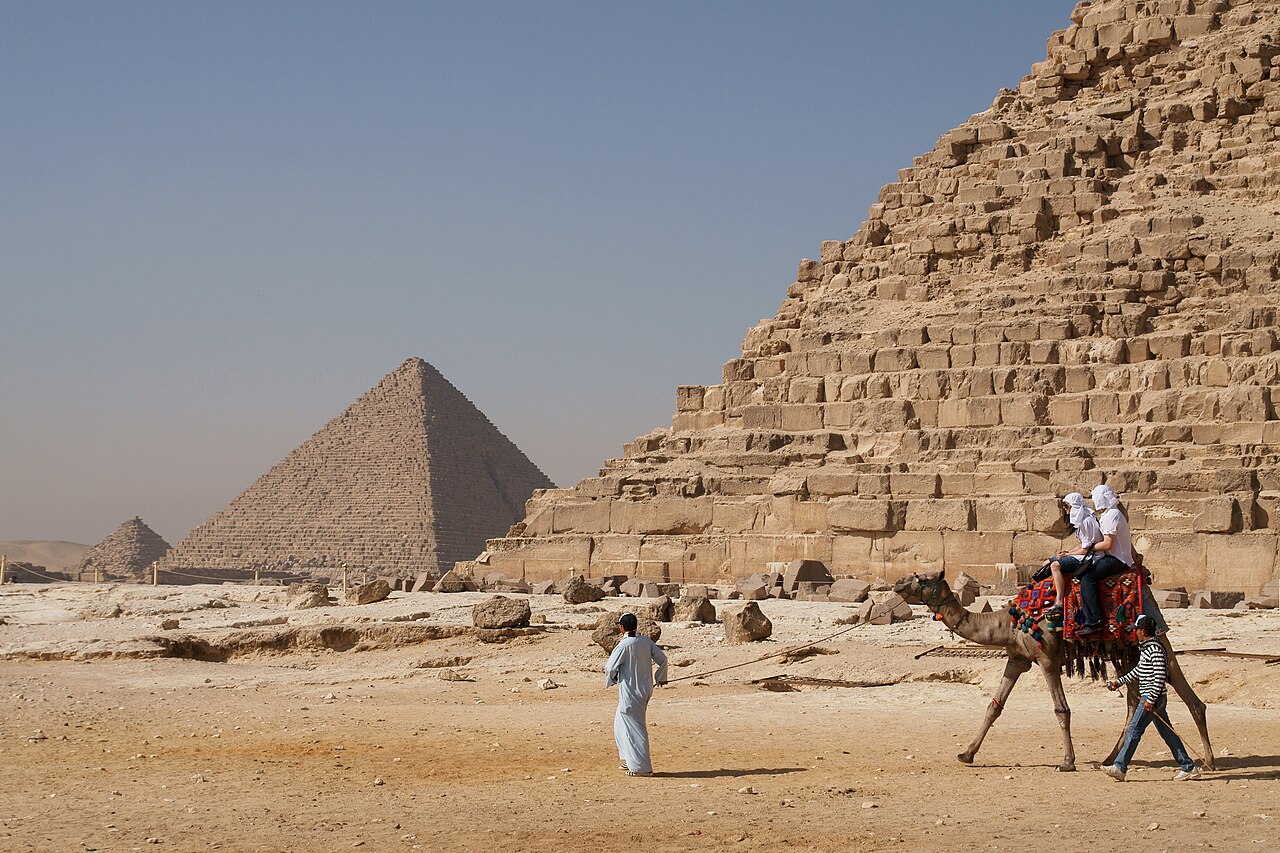
Forget dramatic scenarios – the thing that will actually test your patience in Egypt is low-level hassle. Around the pyramids and in tourist bazaars, you will meet persistent vendors, unofficial “guides,” and a parade of creative minor scams:
- The friendly stranger who “just wants to practice English” and ends up leading you to his cousin’s perfume shop
- Camel and horse rides at Giza quoted at one price and “extended” at another – agree the total price and duration in advance, on camera if needed
- Taxi drivers whose meter is mysteriously “broken” – use Uber or Careem, or agree the fare before getting in (our Uber in Cairo guide explains the app setup)
- “Helpful” men at temples who point out photo angles and then demand payment
- Shopkeepers quoting prices in “pounds” that turn out to be British pounds, not Egyptian
None of this is dangerous; it is annoying, and it fades fast once you learn the magic words: a firm, smiling “la, shukran” (no, thank you) while walking on. Booking pyramid visits through your hotel or a vetted tour operator removes almost all of it. Once you see it that way, the question shifts from is Egypt safe to how do I handle the hassle gracefully, and that is a much easier problem.
Petty Crime
Pickpocketing exists but is far less common than in Barcelona, Rome or Paris. Basic big-city habits are enough: keep your phone out of your back pocket, use a crossbody bag in crowded markets and on public transport, leave the expensive watch at home, and use the hotel safe for your passport and spare cash.
Late-night walking in the main tourist districts is generally fine; the streets stay busy late because Egyptian social life happens at night. If you plan evenings out, our Cairo at night guide covers the neighborhoods that stay lively and safe after dark. Statistically, is Egypt safe from violent crime against tourists? Safer than most visitors expect, and safer than several famous European city breaks.
Terrorism and Political Unrest
Egypt has had terrorist incidents in the past, mostly aimed at security forces in North Sinai – a region tourists do not visit. Tourist sites themselves have not been a pattern target in recent years, and the visible security presence at every monument, church and hotel is precisely why. The sensible precautions are the same as anywhere: stay aware in crowds, follow local news, and keep clear of any political demonstration. Register with your embassy’s traveler program if your country offers one. For travelers, the honest answer to is Egypt safe from terrorism today is that visitor areas are heavily protected and incidents involving tourists have become rare.
Health and Hygiene
The most common thing to actually ruin a day in Egypt is “Pharaoh’s revenge” – traveler’s stomach. Reduce the odds with simple habits: drink bottled water only (it is everywhere and cheap), skip ice in local cafes, favor busy restaurants where turnover is high, peel your fruit, and pack rehydration salts and your preferred stomach medication. The sun is a bigger hazard than the food – heat exhaustion catches unprepared visitors at Luxor far more often than anything else.
Hat, sunscreen, and water at all times from May to September. Comprehensive travel insurance with medical coverage is genuinely important: private hospitals in Cairo are good but expect payment upfront. If your version of is Egypt safe is really about your stomach, a few habits solve most of it: bottled water only, food that is cooked hot or peeled, and hand sanitizer before meals.
Transport Safety
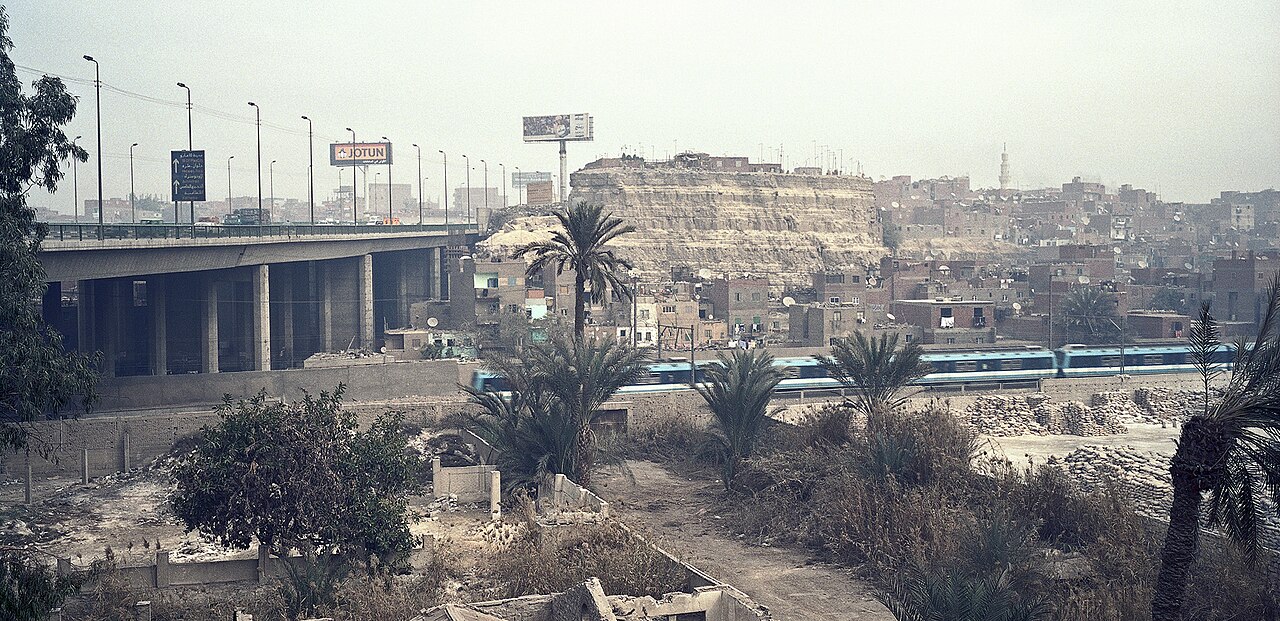
Egyptian traffic is the loudest, most chaotic part of the trip. Driving yourself is not recommended. Uber and Careem work well in Cairo and Alexandria and remove the negotiation problem entirely. For intercity travel, domestic flights and the train are the standard options; overnight tourist buses are widely used but choose reputable companies.
Within Cairo, the Metro is modern, cheap and heavily used – our Cairo Metro guide for tourists shows how easy it is, including the women-only cars. When crossing streets in Cairo, cross with locals – confidence and a steady pace beat hesitation. Road safety is honestly the weakest link in the is Egypt safe equation, which is exactly why we recommend organized transport over renting a car.
Solo Female Travelers
Women travel Egypt solo constantly and most have good trips, but it is fair to say the experience includes more attention – stares, comments, persistent conversation – than in Europe or North America. Practical steps that experienced solo travelers swear by: dress modestly (shoulders and knees covered goes a long way – see our Egypt dress code guide), wear sunglasses in hassle-heavy areas, sit in the women’s car on the Cairo Metro, book pyramid and desert visits with a guide or small group, and choose well-reviewed hotels in central areas like those in our where to stay in Cairo roundup. A confident, unbothered demeanor closes down most interactions. For women asking is Egypt safe to travel alone, the answer is yes with preparation: dress on the conservative side, use Uber at night, and book guides through your hotel.
Safety at Specific Destinations
- Giza and the pyramids: The biggest hassle hotspot in Egypt, not a danger zone. Pre-booked transport and firm refusals solve 90% of it.
- Khan el-Khalili and bazaars: Crowded and intense but safe; watch pockets and enjoy the theater.
- Luxor and Aswan: Relaxed and easygoing; the main risks are sun and overpriced carriage rides.
- Red Sea resorts (Hurghada, Sharm): Gated, calm and about as low-stress as travel gets. Water safety – currents, boats, unlicensed dive operators – is the real thing to vet, as our Hurghada guide notes.
- North Sinai and border zones: Genuinely off-limits advice applies. No standard itinerary goes anywhere near.
Money and Emergency Practicalities
- Tourist police: 126 from any Egyptian phone; general emergency: 122; ambulance: 123
- Use ATMs inside banks, malls or hotels rather than standalone street machines
- Carry a photocopy of your passport; keep the original in the hotel safe unless you need it
- Drone photography requires permits that are effectively unobtainable for tourists – leave the drone at home, it will be confiscated at the airport
- Save your hotel’s address in Arabic on your phone for taxi drivers, and keep an Egypt SIM card with data so maps and ride-hailing always work
Common Myths About Safety in Egypt
A few persistent ideas deserve correcting before you pack:
- “Tourists get kidnapped or attacked regularly.” They do not. Violent incidents involving tourists are rare enough to make international news precisely because they are unusual, and the main tourist corridor has an enormous security presence.
- “You cannot walk around alone.” You can, and hundreds of thousands of visitors do every year. Central Cairo, Luxor’s corniche and the Red Sea promenades are busy with strollers until well past midnight. Normal city awareness applies, no more.
- “Everyone is trying to scam you.” Everyone in the tourist bazaar is trying to sell you something – that is different. Vendors are persistent because competition is fierce and margins are thin, not because you are prey. A smile and a clear no is a complete interaction.
- “The water will definitely make you sick.” Tap water is not for drinking, but it is fine for brushing teeth for most travelers (use bottled if your stomach is cautious), and ice in established hotels and restaurants is made from filtered water.
- “Egyptians resent Western tourists.” The opposite is closer to daily experience: hospitality to guests is a point of cultural pride, and most interactions outside the hard-sell zones are genuinely warm.
If Something Does Go Wrong
Real problems are rare, but know the playbook. Lost or stolen passport: contact your embassy in Cairo (keep a photocopy and a phone photo to speed up the emergency travel document), file a police report first – you will need it. Medical issue: ask your hotel for a private clinic or hospital; Cairo’s private hospitals are good, expect to pay and claim from insurance afterward.
Scammed or harassed into paying: the tourist police (126) genuinely help and take tourist complaints seriously – vendors know it, and even mentioning a call usually ends the negotiation. Card swallowed by an ATM: call your bank, then use ATMs attached to bank branches during opening hours for the rest of the trip, so staff can retrieve a card on the spot. In every case, your hotel’s front desk is the fastest local ally – helping guests out of jams is literally their daily work.
Bottom Line
Egypt is safe to visit, with an asterisk: it rewards the prepared traveler. Use the same street smarts you would in any huge, busy country, organize the hassle-heavy bits (pyramids, souks, long-distance transport) through reputable operators, dress with the culture in mind, and protect yourself from the sun. Do that, and the biggest risk you will take home is a suitcase full of souvenirs and a strong desire to come back. So, is Egypt safe? For the prepared traveler, yes, and the reward is one of the richest trips on earth.
Your turn: Still weighing a specific safety concern? Ask in the comments below. I answer every question myself, from Cairo.