
How to Visit the Pyramids of Giza: Complete Visitor Guide
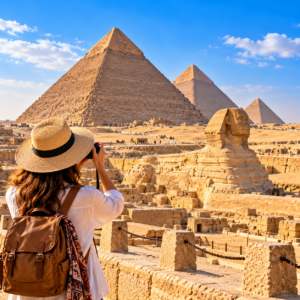
Visiting the Pyramids of Giza is one of the main reasons travelers come to Egypt, but planning the visit involves more than arriving at the entrance and taking photographs. You need to decide how much time to allow, which tickets to buy, whether to enter a pyramid, how to get around the plateau, and how to avoid spending your visit dealing with unnecessary distractions.
The Giza pyramid complex includes the Great Pyramid of Khufu, the Pyramid of Khafre, the Pyramid of Menkaure, and the Great Sphinx, along with other archaeological remains. These monuments stand on a broad plateau, so seeing them properly requires walking, planning around the weather, and allowing enough time to explore the site.
For most first-time visitors, the best approach is to arrive early, understand what the general admission ticket includes, and decide in advance whether going inside a pyramid is important to you. This guide explains how to organize your visit, what to expect at the entrance, and how to make the most of your time at one of Egypt’s most important archaeological sites.
Quick Overview: What Should You Know Before Visiting the Pyramids of Giza?
The Pyramids of Giza are on the western edge of Greater Cairo, in Giza Governorate. Although visitors often describe the site as being outside Cairo, it is accessible from many parts of the metropolitan area. Travel time depends heavily on where you stay and the traffic conditions.
The main attraction is the Great Pyramid, built for King Khufu during the Fourth Dynasty. The plateau also contains the pyramids of Khafre and Menkaure, the Great Sphinx, and several associated archaeological structures.
Here are the main details to understand before planning your visit:
| Visitor question | What to know |
|---|---|
| Where are the pyramids? | Giza, on the western side of Greater Cairo |
| How much time should you allow? | Around 3–5 hours for a substantial visit |
| When should you arrive? | Early in the day is generally more comfortable |
| Is an entrance ticket required? | Yes, for the archaeological plateau |
| Does general admission include pyramid interiors? | No; interior access requires a separate ticket |
| Can you enter the Great Pyramid? | Yes, when access is available and you purchase the appropriate ticket |
| Can you visit the Sphinx? | Yes, it is part of the Giza archaeological experience |
| What should you wear? | Comfortable walking shoes and clothing suitable for the weather |
| Can you take photographs? | Personal photography is generally permitted, subject to site rules |
| Is a guide necessary? | No, but a knowledgeable guide can add historical context |
Opening hours, ticket prices, and access arrangements can change. Confirm the latest information through the official Egyptian Ministry of Tourism and Antiquities before your visit.
Where Are the Pyramids of Giza Located?
The Giza pyramid complex is located in Giza, part of the Greater Cairo metropolitan area. It is not in central Cairo, and the journey can take longer than the distance on a map might suggest.
Traffic is one of the biggest factors affecting travel time. A hotel in central Cairo, a hotel near the pyramids, and accommodation in New Cairo can produce very different journeys.
Before booking a transfer, check your hotel’s location and choose a departure time that allows room for traffic.
If the pyramids are the main purpose of your visit, staying in Giza can make an early start easier. If you also want to explore museums, historic districts, restaurants, and other parts of the city, staying in Cairo may suit your wider itinerary better.
The important thing is to plan your visit around the actual location of your accommodation rather than assuming the journey will be short.
What Is the Best Time to Visit the Pyramids of Giza?
The most comfortable time to explore the pyramids is generally during the cooler part of the year, particularly from autumn through spring. Winter is often pleasant for sightseeing, although mornings and evenings can feel cool.
Summer visits are possible, but the heat can make walking around the plateau tiring. Much of the site is exposed to direct sunlight, and shade is limited in some areas.
Should you visit in the morning or afternoon?
Morning is usually the better choice for most travelers.
An early arrival gives you more time before the strongest heat of the day and can make it easier to explore the plateau without rushing. It is especially useful if you plan to visit the interior of a pyramid or walk between several monuments.
An afternoon visit can still work, particularly during cooler months, but you should check the closing time and allow enough time to reach the attractions you want to see.
Do not assume every pyramid or interior passage remains accessible until the site closes. Access to individual monuments can have separate conditions.
What should you bring?
Bring comfortable shoes, sun protection, drinking water, and a phone or camera. A hat and sunscreen are particularly useful during warmer months.
If you visit in winter, consider carrying a light layer for the morning.
How Much Do Tickets to the Pyramids of Giza Cost?
Ticket prices depend on the type of admission, visitor category, and whether you want to enter a pyramid.
The Egyptian Ministry of Tourism and Antiquities lists the general plateau entrance separately from tickets for individual pyramid interiors. This distinction is important because buying general admission does not automatically give you access to the inside of the Great Pyramid.
At the time of checking, the official English-language monument pages listed the following prices for foreign visitors:
| Ticket type | Listed adult price |
|---|---|
| General Giza Plateau admission | EGP 700 |
| Great Pyramid interior ticket | EGP 1,000 |
The Great Pyramid interior ticket requires a separate area-entry ticket. Student rates and eligibility conditions differ, so check the official ticket information before purchasing.
These figures are a snapshot of the official listing, not a guarantee of the price on your travel date. Ticket prices and arrangements can change.
Where should you buy tickets?
Start with the official Ministry of Tourism and Antiquities website:
Look for the Giza Plateau page and its ticket information. Read the description of each ticket carefully so you know which areas are included.
If entering the Great Pyramid is a priority, check availability and the applicable conditions before arriving. Do not assume that every interior ticket will be available at any time.
Should You Go Inside the Great Pyramid?
Entering the Great Pyramid is a different experience from viewing it outside.
The interior route involves narrow passages and steep sections. It is not a decorated underground tour, and visitors should not expect spacious chambers filled with painted walls or elaborate displays.
Inside, the route leads through passages toward the King’s Chamber. The experience is primarily about the architecture, scale, and unusual construction of the monument.
Who might enjoy the experience?
Going inside may appeal to travelers who are fascinated by ancient engineering and want to experience the interior structure of a pyramid.
However, it is not essential to enjoying the site. The exterior views, surrounding plateau, and other monuments offer plenty to explore.
Who might prefer to skip it?
The interior may be uncomfortable for visitors who dislike confined spaces, steep passages, or physically demanding routes. Consider your mobility and comfort before purchasing an interior ticket.
If you decide not to go inside, use the extra time to explore the plateau and enjoy views of the three main pyramids from different angles.
How Do You Get to the Pyramids of Giza?
There are several ways to reach the pyramids, and the best option depends on your accommodation, budget, and preferred level of convenience.
Private transfer
A private transfer is useful if you want a direct journey from your hotel, especially if you are traveling with family or arranging a full day of sightseeing.
Confirm the price, pickup point, and return arrangements before the journey begins.
Taxi or ride-hailing service
App-based transportation can be convenient in Greater Cairo where the service is available. Enter the correct entrance or visitor drop-off point and check the destination before starting the ride.
For the return journey, agree on your pickup arrangements in advance or confirm that you can request another ride from the area.
Organized tour
A guided tour can simplify transportation and help you understand the historical significance of the monuments. Some tours combine the pyramids with the Sphinx, nearby attractions, or other archaeological sites.
Read the itinerary carefully. Confirm whether entrance tickets, a guide, transportation, meals, and any optional activities are included.
Public transportation
Public transportation can be an option for travelers who prefer independent travel, but the final part of the journey may require another form of transport. If you are unfamiliar with Cairo, compare the total journey and transfers rather than looking only at the cheapest fare.
Which Entrance Should You Use?
The entrance you choose can affect how your visit begins.
The Giza complex has been served by different visitor access points, and entrance arrangements can change as site management develops its visitor services. Before leaving your hotel, confirm the current public entrance and drop-off instructions through the official site or your tour operator.
Do not rely solely on an old map pin or a travel blog published several years ago.
If you are booking a tour, ask the operator where the vehicle will drop you off and whether the itinerary includes the plateau entrance, the Sphinx area, or both.
This small step can prevent unnecessary walking and confusion when you arrive.
What Are the Main Attractions at the Giza Pyramid Complex?
The pyramids are the central attraction, but the surrounding monuments are an important part of the experience.
The Great Pyramid of Khufu
The Great Pyramid was built as the tomb of King Khufu. Its original height was approximately 146.5 meters, and it remained the tallest human-made structure in the world for roughly 3,800 years.
It is the largest of the three main pyramids and the only surviving member of the Seven Wonders of the Ancient World.
Even if you have seen photographs for years, standing near its enormous stone blocks gives you a much clearer sense of its scale.
The Pyramid of Khafre
Khafre’s pyramid is often recognized by the remaining casing stones near its summit, which give the upper section a different appearance from the other pyramids.
The monument forms part of a wider complex associated with Khafre and the Great Sphinx.
The Pyramid of Menkaure
Menkaure’s pyramid is smaller than the other two principal pyramids, but it is an important part of the plateau.
Seeing all three main pyramids together helps you understand the layout of the royal burial landscape.
The Great Sphinx
The Great Sphinx is one of Egypt’s most recognizable monuments. Its lion body and human head make it visually distinct from the pyramids behind it.
Allow time to view the Sphinx from the designated visitor areas rather than treating it as a quick stop on the way out.
The panoramic viewpoint
The plateau has viewpoints where visitors can see several pyramids together. These are particularly useful for photography and for appreciating how the monuments sit within the surrounding landscape.
Ask site staff or your guide about the current visitor route and designated viewing areas.
How Long Should You Spend at the Pyramids?
For most visitors, three to five hours is a reasonable starting point for planning a substantial visit. Your actual time depends on your walking pace, the weather, queues, and whether you enter a pyramid.
A shorter visit may be enough if you only want to see the main monuments from outside. A longer visit makes sense if you want to explore more of the plateau, take photographs, enter a pyramid, or learn about the site with a guide.
A practical approach is to avoid scheduling another major attraction immediately afterward. Travel across Cairo can be unpredictable, and you may want a break after several hours outdoors.
Example half-day plan
Early morning: Arrive at the entrance and begin with the main pyramid area.
Mid-morning: Explore the other pyramids and designated viewpoints.
Late morning: Visit the Sphinx area and take photographs.
Before departure: Allow time for the exit, transportation pickup, and any planned stop nearby.
Treat this as a flexible outline rather than a fixed timetable. Current access rules, ticket conditions, and weather may affect the order.
Should You Hire a Guide?
A guide is not essential, but it can make a substantial difference to the historical side of your visit.
Without context, the pyramids can appear to be a collection of enormous stone structures. A knowledgeable guide can explain the relationships between the monuments, the purpose of the surrounding temples, the burial traditions of ancient Egypt, and the architectural challenges involved in their construction.
A guide is especially useful if you have limited time and want to understand the site rather than simply take photographs.
If you prefer exploring independently, read about the main monuments beforehand and decide what you want to see. You can also arrange a guide for only part of the visit.
Before paying for a guided tour, confirm the guide’s services, the duration, the meeting point, and whether entrance tickets are included.
What Should You Wear and Bring?
The plateau involves walking over uneven surfaces and exposed ground, so practical clothing is more useful than formal outfits.
Wear comfortable walking shoes with a secure fit. Sandals may be comfortable for some visitors, but footwear that provides better support is often preferable for a longer walk.
Your day bag should include:
- Drinking water
- Sunscreen
- A hat or cap
- Sunglasses
- Your tickets and identification, as required
- A charged phone
- A portable battery
- Any essential personal medication
Choose clothing appropriate for the weather and respectful of local customs.
If you plan to enter the Great Pyramid, be prepared for narrow passages and a more physically demanding experience than simply walking around the exterior.
Can You Take Photos at the Pyramids?
Personal, non-commercial photography is generally permitted at Egyptian archaeological sites, subject to site rules. The official tourism information says personal photography and video are allowed without a permit in public areas, including archaeological sites, with restrictions such as no flash in indoor areas.
Professional equipment, commercial photography, and drones can be subject to additional requirements. Check the current rules before bringing specialized equipment.
For better photographs, try capturing the pyramids from different viewpoints rather than taking every picture from the same location.
Morning light can be attractive, while wide-angle photographs can help show the relationship between the monuments and the surrounding plateau.
Be respectful when photographing other visitors and local people. Ask permission when taking close-up photographs of individuals.
How Can You Avoid Hassles During Your Visit?
The Giza plateau is a major tourist attraction, so it is sensible to be clear about prices, services, and arrangements.
A few precautions can make the day smoother:
- Buy tickets through official channels where possible.
- Confirm the cost before accepting a paid service.
- Decline unwanted offers politely and continue toward your destination.
- Agree on the price and details before accepting a ride or organized activity.
- Keep valuables secure and avoid displaying large amounts of cash.
- Use designated visitor routes and follow staff instructions.
- Do not enter restricted areas or climb on monuments.
If you arrange a camel ride, horse ride, or another paid activity, clarify the total price, duration, route, and any additional charges before starting.
You do not need to accept every offer to enjoy the pyramids. A simple, polite refusal is enough when you are not interested.
Can You Combine the Pyramids With Other Attractions?
Yes, but your plans should depend on how much time you want to spend at Giza.
The Great Sphinx is part of the same general visit, so it is natural to include it in your itinerary.
You may also want to visit the Grand Egyptian Museum or another Cairo attraction on the same day. Whether this is comfortable depends on your starting time, ticket arrangements, traffic, and how long you spend at the pyramids.
If you want a relaxed experience, dedicate most of the morning to Giza and leave the rest of the day flexible.
If you have only one day in Cairo, combining attractions may be practical, but avoid creating a schedule that depends on every transfer taking exactly as long as expected.
Is Visiting the Pyramids Suitable for Families?
Families can visit the pyramids, but the experience requires some planning.
The plateau can involve substantial walking, uneven ground, limited shade in some areas, and exposure to hot weather. Families with younger children should bring water, plan breaks, and avoid trying to cover every attraction in one visit.
Entering a pyramid is a separate decision. Narrow passages and steep sections may be uncomfortable for some children and adults, so consider the conditions before buying tickets.
A shorter, well-paced visit can be more enjoyable than a full day spent moving constantly between monuments.
Frequently Asked Questions About Visiting the Pyramids of Giza
Can you visit the Pyramids of Giza without a tour?
Yes. Independent visits are possible. You will need to arrange your transportation, purchase the appropriate tickets, and plan how to explore the site.
Do you need to book tickets in advance?
Advance purchase can be useful, particularly if you want access to a specific pyramid interior. Check the official ticketing information to see which tickets are available online and whether any restrictions apply.
Is the Great Pyramid included in the entrance ticket?
General plateau admission does not include entry into the Great Pyramid. The official monument listing shows a separate interior ticket, which also requires an area-entry ticket.
How long does it take to see the pyramids?
Allow around three to five hours for a substantial visit. You may need less time for a brief exterior visit or more time if you enter a pyramid and explore at a slower pace.
What is the best time of day to visit?
Morning is generally a good choice because temperatures are often more comfortable than later in the day. Confirm the opening hours before your visit.
Can you enter all three pyramids?
Interior access depends on the monuments open to visitors, ticket availability, and current site arrangements. Check the official listings before planning to enter a particular pyramid.
Are the pyramids close to central Cairo?
They are within Greater Cairo, but the journey from central neighborhoods can take longer than expected because of traffic. Check your accommodation’s location before choosing a departure time.
Can you take photographs inside the pyramids?
Rules can differ by location and may change. Check the current conditions at the entrance or with site staff before photographing inside.
Is one day enough for the Pyramids of Giza?
Yes. One visit can cover the main pyramid area, the Sphinx, and selected viewpoints. You do not need to spend multiple days at the plateau unless you have a particular interest in exploring the wider archaeological area.
What should you avoid doing at the pyramids?
Avoid climbing monuments, entering restricted areas, accepting paid services without agreeing on the price, and assuming every activity is included in the general admission ticket.
Final Takeaway: How to Plan a Successful Visit to the Pyramids of Giza
A successful visit to the Pyramids of Giza starts with a few simple decisions: arrive at a comfortable time, confirm the correct entrance, understand which tickets you need, and allow enough time to explore without rushing.
The Great Pyramid, the monuments of Khafre and Menkaure, and the Great Sphinx each contribute to the experience. You can appreciate the site from the outside without entering a pyramid, or add an interior visit if you are comfortable with the conditions and the additional cost.
Most importantly, check the official information close to your travel date. Opening hours, ticket prices, and access arrangements are details that can change, and confirming them in advance is much easier than trying to resolve uncertainty at the entrance.
With practical preparation and realistic expectations, the pyramids can become much more than a quick photograph. They offer an opportunity to explore one of the most remarkable surviving landscapes of ancient Egypt.