
Hurghada is where Egypt goes on holiday – and where much of Europe does too. A string of resorts along 40 kilometers of Red Sea coastline, it offers the easiest beach-and-diving escape in the country: direct flights from dozens of European cities, year-round sun, warm clear water, and coral reefs you can snorkel straight off a boat. This Hurghada travel guide covers where to stay, what to do, what it costs, and how to combine the Red Sea with the rest of Egypt. This Hurghada travel guide covers where to stay, what to do beyond the pool, and who the resort town actually suits.
Why Hurghada?
Compared with Sharm El Sheikh (its Sinai rival), Hurghada is often cheaper, is closer to Luxor for a culture side-trip, and has direct road access to the rest of Egypt. The diving and snorkeling are world-class: the Red Sea’s fringing reefs, dolphins, turtles and (for divers) famous wrecks like the SS Thistlegorm. Wind from March to June makes it a kitesurfing hotspot.
And for families, the combination of all-inclusive resorts, gentle house reefs and reliable sunshine is hard to beat at the price. It is not “real Egypt” the way Cairo or Luxor are, and it does not pretend to be – it is a resort town, and a very good one. The short verdict of this Hurghada travel guide: Hurghada is the practical choice, Sharm the scenic one.
Hurghada Travel Guide: Where to Stay by Neighborhood
- Sahl Hasheesh: The polished, upscale resort bay south of the airport – manicured beaches, high-end all-inclusives, the best-looking stretch of coast. Quiet by design.
- Makadi Bay: Family favorite with calm, shallow water and a superb house reef for snorkeling right off the beach. Resorts cluster around the bay; not much exists outside them.
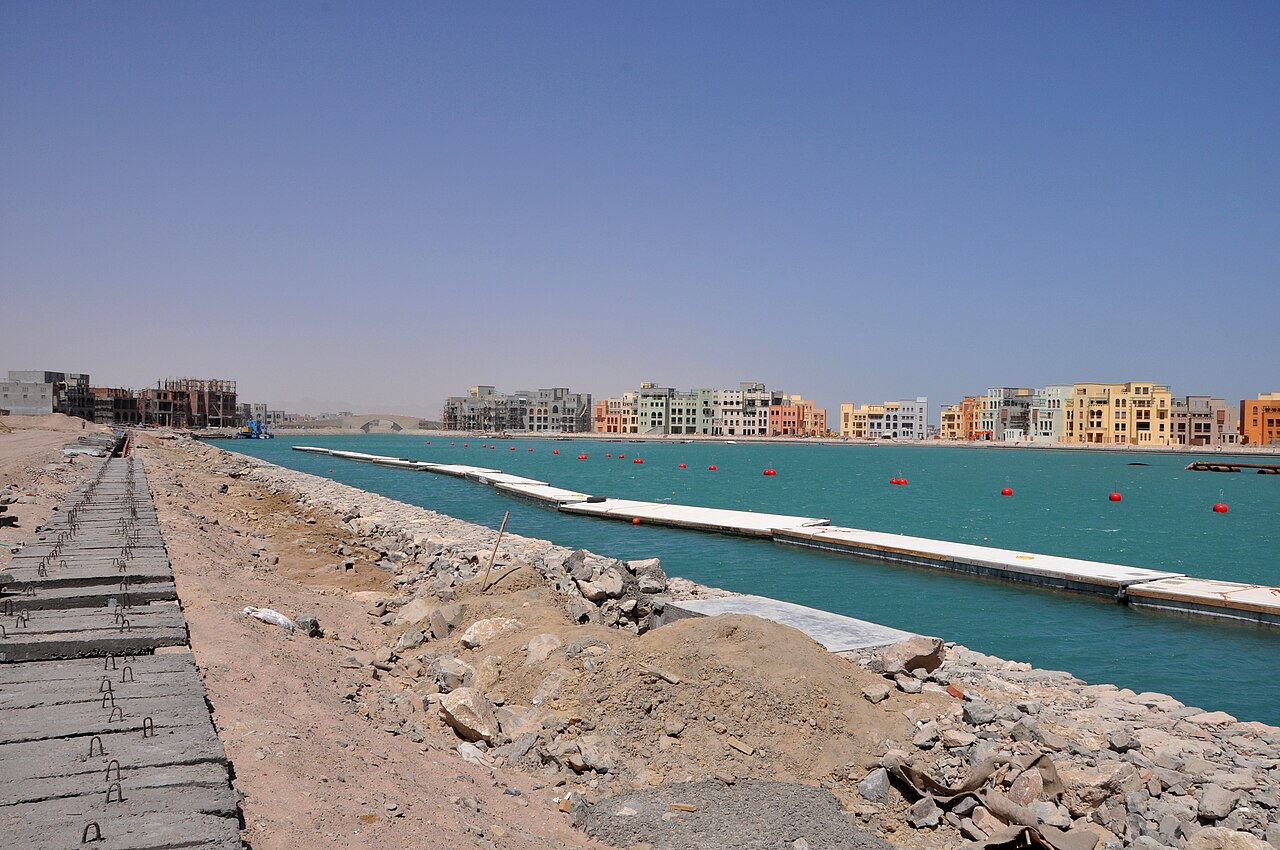
- Hurghada city (Sakkala and the Marina): The actual town – the new marina strip with restaurants and cafes, local hotels and dive centers at lower prices, and the most “real” atmosphere. Best base if you want evenings beyond your resort’s walls.
- El Gouna: Twenty minutes north, a purpose-built lagoon town of islands, marinas and canals – Egypt’s most polished resort community, with kitesurfing schools, a proper dining scene and boutique hotels. Pricier, prettier, and popular with expats and long-stay visitors.
Beaches and Snorkeling
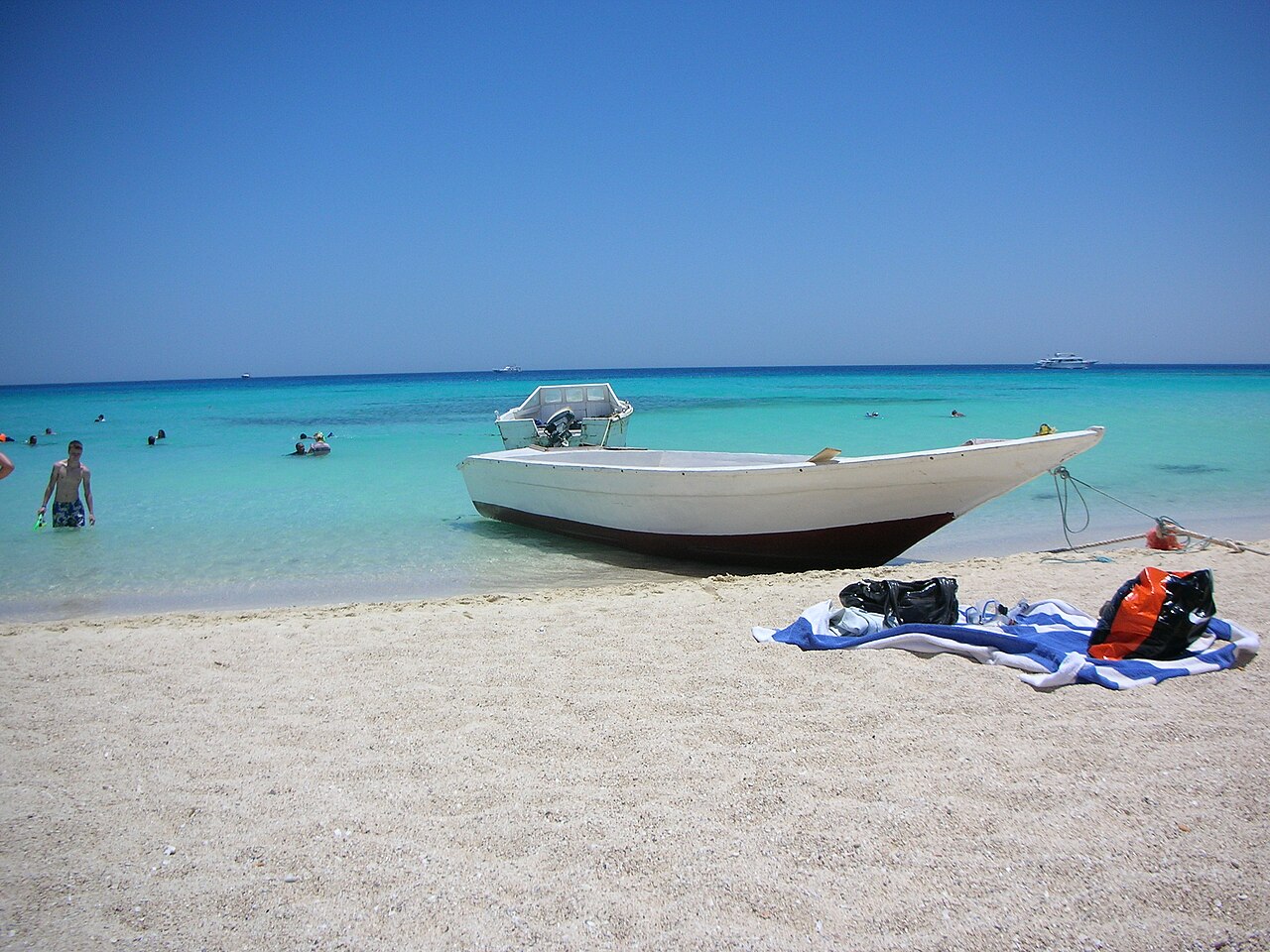
Most resort beaches are sandy and calm, with jetties crossing the shallow reef shelf to deeper water – use them, both to protect the coral and your feet. Snorkeling from a jetty over a house reef (Makadi Bay is the star) can be genuinely excellent: clownfish, rays, and coral gardens in a few meters of water. For the full experience, book a boat trip: No Hurghada travel guide can promise empty beaches, but the house reefs a short swim from the jetty genuinely deliver.
- Giftun Island trips: The classic day out – white sandbars, snorkeling stops on the reef, lunch on board. Both “Orange Bay” and “Paradise Island” trips run daily; pick operators with good recent reviews and small group sizes.
- Mahmya: A protected beach club on Giftun with a more eco-managed setup and excellent snorkeling.
- Dolphin House (Shaab El Erg): Morning trips to a reef where wild dolphins regularly swim with snorkelers – an unforgettable morning if the dolphins cooperate.
Diving
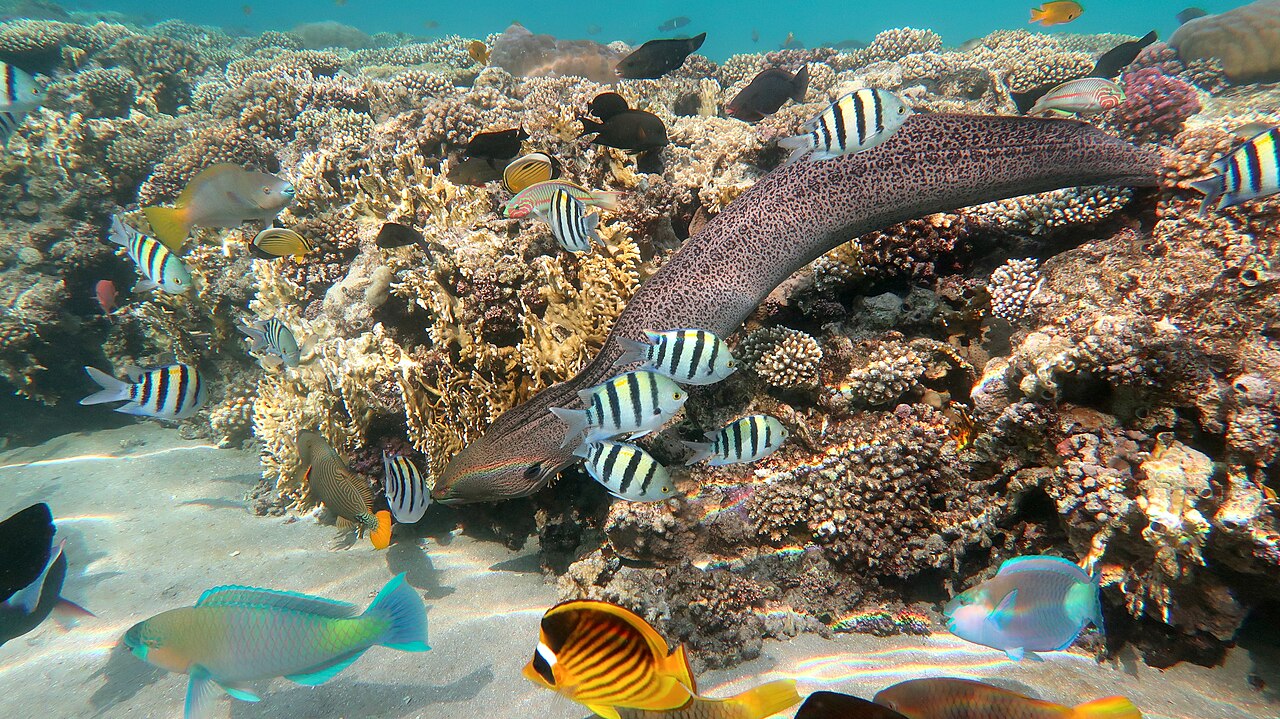
Hurghada is one of the cheapest places on earth to learn to dive: a full PADI Open Water course runs roughly $300-400 over three to four days. Certified divers get day boats to sites like Careless Reef, Abu Ramada and the Giftun walls, plus wreck specials to the Thistlegorm and the Salem Express.
Visibility of 20-30 meters and bathtub-warm water from May to November spoil you for diving anywhere else. Choose a well-established center – the town has hundreds, and equipment standards vary. The Hurghada overview on Wikipedia lists the major offshore reefs if you want to research sites in advance. Any Hurghada travel guide has to dwell on the diving, because the prices and conditions are hard to match anywhere else.
Day Trips Beyond the Beach
- Luxor: About four hours by road each way – long but absolutely worth it if you will not otherwise see Luxor. Day tours cover Karnak, the Valley of the Kings and Hatshepsut’s temple, returning in the evening. Book a small-group or private tour; the mega-bus versions are grueling. Our Luxor travel guide shows what the day covers.
- Desert safaris: Quad biking, jeep safaris and Bedouin-dinner evenings in the Eastern Desert – a fun half-day change of scene, best at sunset.
- El Gouna evening: Dinner and a marina stroll if you are staying elsewhere – the prettiest evening on this coast.
- Cairo by air: Ambitious but possible – early flight, a day at the pyramids and museum, evening flight back. The Pyramids of Giza visitor guide helps you plan the compressed version.
When to Go
Hurghada works all year. March to May and September to November are ideal: hot but not scorching, warm sea, and wind for the kitesurfers. December to February brings warm sunny days (22-25C), cooler evenings and cooler water – still pleasant, and peak season for European winter escapes, so book early. July and August are seriously hot (38C+) but survivable when your day is built around water, and prices dip outside the August European holiday peak. For how this fits a countrywide trip, see our best time to visit Egypt guide. Timing is the easy part of this Hurghada travel guide: there is no bad month, only hotter ones.
Costs and Practicalities
- All-inclusive resorts dominate – often the best value, especially for families; a la carte hotels work out cheaper for couples who plan to be out diving and day-tripping. Typical mid-range all-inclusive rates run $70-150 per room per night for two people, less in summer
- Visas: flying into Hurghada, you need the standard $25 visa on arrival or an e-Visa – details in our Egypt visa requirements guide (the free Sinai-only stamp does not apply here; that is Sharm only)
- Getting around: resort shuttles, taxis (agree the fare first) and the Careem ride-hailing app, which operates in Hurghada
- Money: ATMs and card payments are universal in resorts; carry small Egyptian pounds for tips, markets and boat crews – the tipping guide covers boat-trip and hotel conventions
- Reef etiquette: never stand on or touch coral, skip feeding the fish, and choose reef-safe sunscreen – the reefs are the whole point
Getting to Hurghada
Hurghada International Airport sits about 15 minutes from the main resort strip and takes direct flights from all over Europe – charter and low-cost carriers from the UK, Germany, Poland, the Czech Republic and beyond, often at strikingly low fares outside school holidays. From within Egypt, the options are: one-hour flights from Cairo (several daily), the comfortable Go Bus and similar coach services from Cairo (about 5-6 hours), private transfers from Luxor (about 4 hours), and the fast ferry from Sharm El Sheikh when it is running (schedules come and go – check close to your dates).
From the airport, your resort’s transfer, a pre-agreed taxi or a Careem ride are the options; agree any taxi fare before the bags go in. If you are combining Hurghada with Cairo on the same trip, our how many days in Egypt guide helps you divide the time sensibly. The first practical tip of any Hurghada travel guide is that transfers are short, so a taxi or hotel shuttle beats pre-booked packages.
Hurghada with Kids
Hurghada might be Egypt’s easiest family destination. The big resorts are built for children: kids’ clubs, shallow pools, water parks (Jungle Aqua Park and Makadi Water World are the standouts), calm sandy beaches with gentle entries, and all-inclusive food that ends the restaurant negotiation problem entirely. Boat trips run family versions with life jackets in real child sizes – verify before booking, not at the dock.
Two cautions: the sun is serious, so rash guards and relentless sunscreen beat any other strategy; and the glass-bottom and semi-submarine boats are a better underwater introduction for small children than snorkeling. Older kids who swim confidently can do a PADI Bubblemaker or junior diving experience from age 8-10 with the better dive centers. For families, this Hurghada travel guide’s short answer is simple: book it, and pick a resort with a house reef.
Hurghada vs Sharm El Sheikh: Which Red Sea Base?
The eternal Red Sea question. Sharm El Sheikh, on the Sinai peninsula, edges ahead on shore snorkeling – reefs like Ras Um Sid start almost at the beach ladder – and on polish in Naama Bay and Sharks Bay. It also qualifies for the free Sinai-only entry stamp if you never leave the resort zone. Hurghada wins on price (comparable resorts usually run 15-30% cheaper), on access to the rest of Egypt (Luxor is a day trip; from Sharm it is a flight or a long convoy), on kitesurfing wind, and on having El Gouna next door.
Sharm feels more enclosed and resort-pure; Hurghada feels more connected to real Egypt. Divers split the difference: Sharm has Ras Mohammed and the Straits of Tiran, Hurghada has the Giftun reefs and easier Thistlegorm access. For a first Egypt trip that mixes temples and beach, Hurghada is the more practical base; for a pure fly-and-flop diving week, Sharm competes hard. Both deliver the same essential Red Sea: absurdly clear water and coral that looks Photoshopped in person. The Hurghada-versus-Sharm debate fills entire forums, so any Hurghada travel guide owes you the honest comparison.
Who Will Love It (and Who Will Not)
Come to Hurghada for sun, sea, snorkeling and diving at excellent value, with a Luxor day trip for culture. Families, divers, kitesurfers and winter-sun seekers are the happy core audience. Travelers seeking authentic Egyptian street life, history at their doorstep or wild nightlife beyond resort bars will be happier splitting time between Hurghada and Cairo or Luxor – which, conveniently, is exactly the itinerary most people end up loving most. Our 10-day Cairo, Luxor, Aswan and Red Sea itinerary is built around precisely that combination. That, in the end, is what this Hurghada travel guide comes down to: know what Hurghada is for, and it will not disappoint you.
Your turn: Torn between two resorts, or thinking about a dive course? Ask in the comments and I will give you a straight answer.