
Tipping in Egypt is not optional politeness – it is a built-in part of how the service economy works, and wages in tourism are set with tips in mind. The Egyptian word is baksheesh, and you will hear it everywhere from temple guardians to bathroom attendants. Handled well, tipping is cheap, smooths every interaction, and is genuinely appreciated. Here is exactly who to tip, how much, and when – plus the mistakes that cost tourists money.
Tipping in Egypt: The Golden Rules of Baksheesh
- Carry small notes at all times. A stack of 10, 20 and 50 EGP notes is your most useful travel tool in Egypt. Breaking a 200 EGP note for a small tip defeats the purpose.
- Tip in Egyptian pounds. Small US dollar bills are accepted, but local currency is easier for the recipient to actually use. Coins from home are souvenirs, not tips.
- Tip for service, not for breathing. You do not owe anyone money for pointing at a pyramid. Tip people who actually did something for you.
- Discretion works. A folded note passed with a handshake or a quiet word is the local style.
Restaurants and Cafes
Restaurant bills often include a service charge (usually 12%) and taxes, but that service charge mostly goes to the house, not your waiter. The convention: leave 10-15% in cash on top for the staff, handed directly or left on the table. In local eateries and street-food spots, rounding up or leaving 5-20 EGP is plenty.
At juice stands and coffee shops, small change is fine. If you are exploring local food – and you should, our Egyptian food guide maps out the must-try dishes – the same small-note rule applies at every koshari counter and ful cart. Understanding tipping in Egypt’s restaurants starts with that one distinction: the printed service charge reaches the owner, not your waiter.
Tour Guides and Drivers
This is where the meaningful money goes, and where tips make the biggest difference to someone’s week: If there is one area where tipping in Egypt really matters, it is guides and drivers, because their base pay assumes tips.
- Private tour guide: $10-20 per day per person (or roughly 300-600 EGP) for a full day; half-day, half that
- Group day tour guide: $5-10 per person
- Private driver: $5-10 per day
- Group tour driver: $2-5 per person per day
If your guide went out of their way – kept the vendors off you, adjusted the schedule around your kids, knew everything about everything – go above the range and say why. That feedback matters as much as the money.
Nile Cruises
Nile cruises have their own tipping culture. Most boats suggest a pooled tip of around $8-12 per person per night, placed in an envelope at reception at the end of the cruise and divided among the crew you never see (kitchen, housekeeping, engine room). Tip your cruise guide separately at the guide rates above if they were good – the pool does not cover them. Some newer cruises include gratuities in the fare; check your booking so you do not double-pay. Our Nile cruise guide explains exactly what each fare level includes. On the river, tipping in Egypt shifts from small individual gestures to one pooled envelope at the end of the cruise.
Hotels
- Porter: 20-50 EGP per bag
- Housekeeping: 30-50 EGP per night, left daily (staff rotates)
- Concierge: 50-100 EGP when they arrange something genuinely useful, like a hard-to-get reservation
- Room service: 10-20% if no service charge appears on the bill
Taxis and Ride-Hailing
Uber and Careem: round up or add 10-20 EGP through the app. Street taxis: round the fare up to the nearest convenient note – a 47 EGP ride becomes 50. If a driver carried bags, waited while you shopped, or navigated an impossible address with grace, 20-50 EGP extra recognizes it. For realistic fare baselines before you negotiate, check our Cairo taxi price guide and Uber in Cairo guide. For everyday rides, tipping in Egypt is delightfully small-scale: rounding up is essentially the whole game.
Tipping on Multi-Day Tours and at the Airport
Two situations deserve special mention. On multi-day guided packages (a Cairo-Luxor-Aswan tour, for example), operators often collect a tip kitty at the start to cover the rotating cast of drivers, boat crews, porters and site guards – typically $5-8 per person per day is suggested. This is legitimate and saves you dozens of micro-decisions; tip your main guide separately on top.
At airports, men will offer to help with your trolley and bags, sometimes before you have accepted. If you accept, 20-50 EGP is the going rate; if you do not want the service, say so immediately and firmly – a tip is owed for help taken, not for help imposed. Multi-day packages are where tipping in Egypt feels most formal, so agree expectations with your tour operator on day one.
The Small-Tip Economy
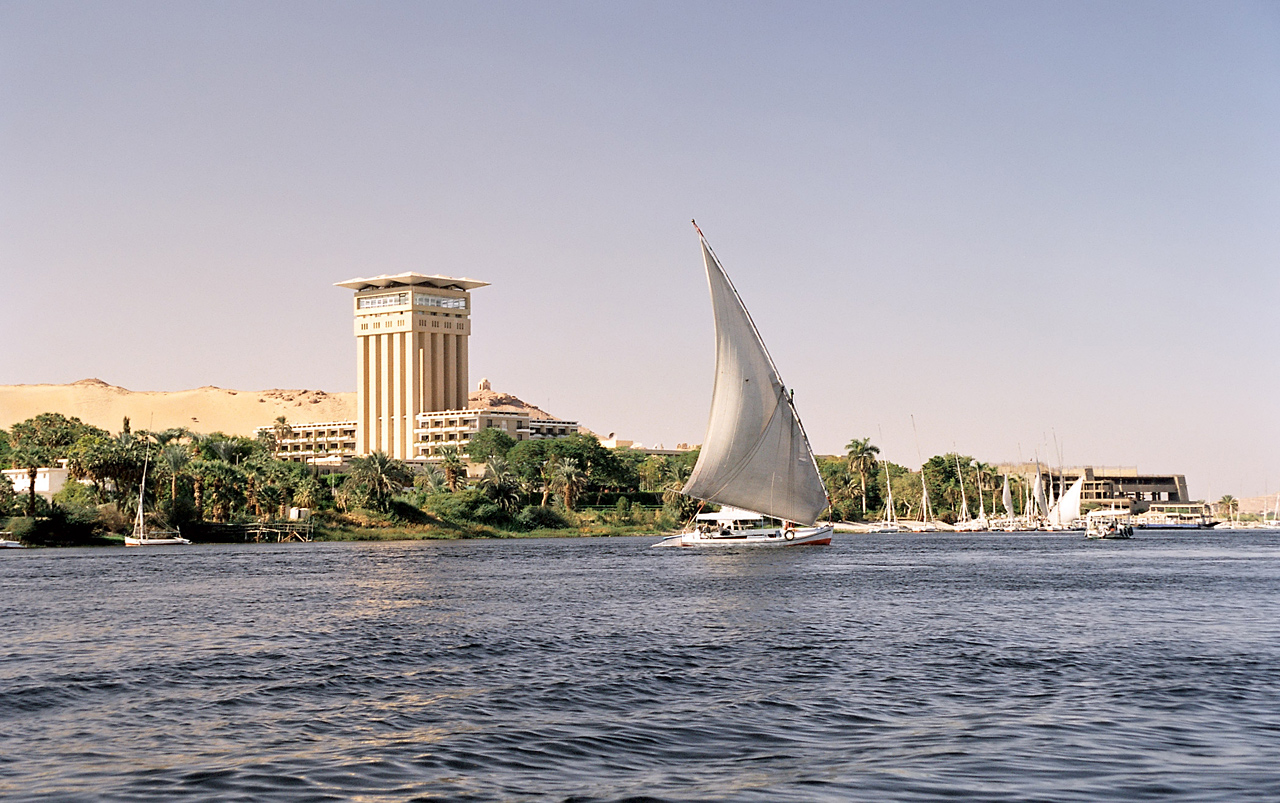
Many tiny services in Egypt run on 5-20 EGP: the attendant who hands you a paper towel in a public restroom (5-10 EGP), the temple guardian who opens a closed tomb or lets you into a roped corner for a photo (20-50 EGP, technically unofficial but universally practiced), the man who watches your car (10-20 EGP), felucca captains in Aswan (20-50 EGP on top of the ride price). These micro-tips are expected and make interactions warm rather than transactional. This is the small-change layer of tipping in Egypt, and locals run it constantly too, so joining in simply makes you normal.
When NOT to Tip
Do not tip people who inserted themselves into your day uninvited: the “helpful” man at Giza who starts explaining things and then demands $20, the guy who grabs your bag at the station before you can react, children sent to ask for money or pens (giving to child beggars encourages keeping them out of school). A polite, firm refusal is fine and expected. Tipping is for service you accepted, not ambush. Knowing when not to tip is as much a part of tipping in Egypt as knowing when to reach for a note, and a firm polite no ends almost every awkward moment.
Getting Small Bills: The Practical Side
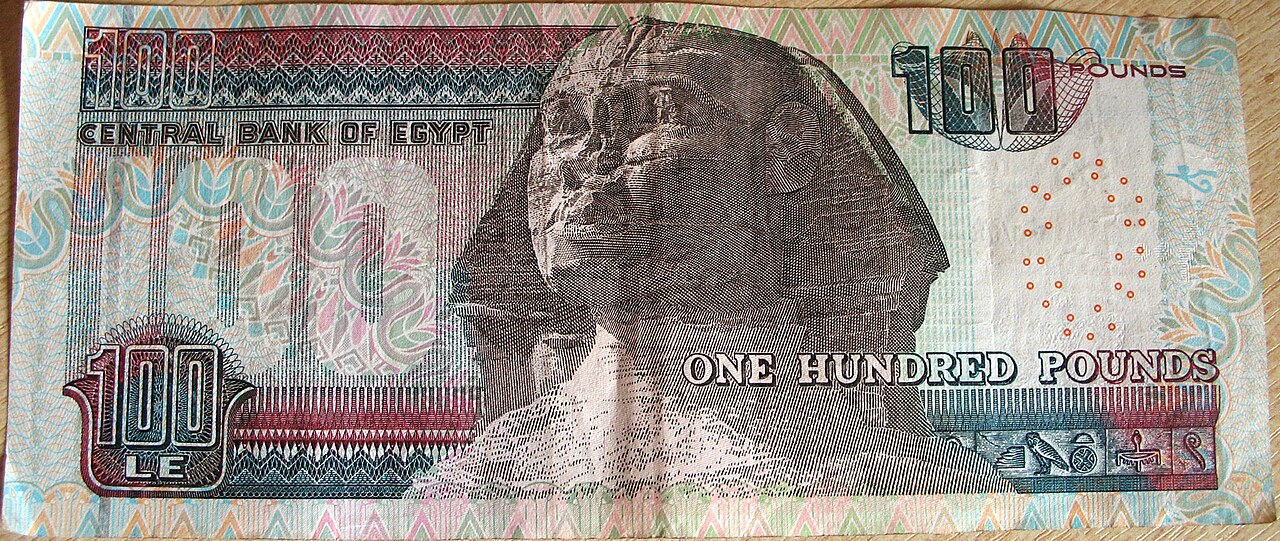
The single biggest tipping frustration in Egypt is not knowing how much – it is not having the right note in your pocket. Egyptian pounds come in notes of 5, 10, 20, 50, 100 and 200, and the small ones evaporate fast. The system that works: every time you get change from a 100 or 200 EGP note at a restaurant or shop, immediately restock your small-note stash. ATMs dispense mostly 200s, so break them at supermarkets, pharmacies and hotel front desks, which always have change and never mind.
Keep your tipping notes in a separate pocket or small pouch from your main cash – fumbling through a fat wallet to find a 20 makes every interaction awkward and advertises what you are carrying. Ten 20-pound notes a day is a realistic burn rate for an active sightseeing day. The Egyptian pound moves around, so check the current rate before you fly: the EGP converter on xe.com is the reference most travelers use, and the Egyptian pound overview shows what the notes look like.
A Sample Day of Tipping in Egypt
To make the numbers concrete, here is what a typical mid-range sightseeing day in Cairo might actually cost a couple in tips: 50 EGP to the porter who loads your bags (if moving hotels), 100-200 EGP to your driver for a half-day, 300-500 EGP to your private guide at the pyramids, 20 EGP to the restroom attendant at the site, 20-50 EGP to the guardian who opens a closed section you asked to see, 15% at lunch (say 80 EGP), a rounded-up taxi fare home (+10 EGP), 50 EGP for housekeeping, and 15% again at dinner.
Total: roughly 650-1,000 EGP, or $13-20 for two people on a guide-and-driver day. On a self-guided day, it is more like $5-8. Nobody will chase you down if you tip at the low end – but the difference between a grudging tipper and a comfortable one, over an entire two-week trip, is often less than the price of one hotel dinner.
Why Baksheesh Works This Way
Understanding the logic behind tipping in Egypt makes it much less stressful. Baksheesh is an old, embedded system that predates modern tourism: wages in hospitality and public services have always been set low on the assumption that tips complete them. It is closer to the American restaurant model than to European service-included culture, but spread across far more occupations – the restroom attendant, the parking watcher and the temple guardian are all working jobs whose real income is baksheesh.
There is also a social layer: a small tip is a thank-you that Egyptians give each other constantly, not a tourist tax. Travelers who fight the system on principle end up in dozens of tiny confrontations a day and save perhaps $5; travelers who adopt it find that doors open, service warms up, and the constant low-level negotiation of Egyptian travel gets noticeably easier. Think of it as a cheap, universal lubricant – not extortion – and the whole country gets friendlier.
One last habit worth adopting: at the end of each day, restock your small-note supply from your hotel front desk so you never start a morning without tip money. Ten seconds of preparation is the difference between baksheesh feeling effortless and feeling like a chore. Master that one habit and tipping in Egypt stops being a source of stress entirely.
How Tipping Fits Your Egypt Budget
A practical allowance: for a couple on a mid-range trip, $10-20 per day total covers the small stuff, plus guide and driver tips on tour days. That is a small line item that buys an enormous amount of goodwill. For the full picture of where tips sit inside daily costs, our Egypt daily budget guide and complete trip cost breakdown include tipping in the totals. In Egypt, baksheesh is less a transaction than a social lubricant – give it freely to the people who earn it, hold it back from the ones who do not, and you will navigate the country like a local.
Your turn: Ran into a tipping situation I did not cover? Describe it in the comments and I will tell you exactly what I would hand over.