
Best Time to Visit the Pyramids of Giza
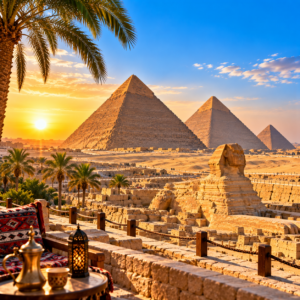
Choosing the best time to visit the Pyramids of Giza can make a significant difference to your experience. Walking around the Great Pyramid, exploring the Sphinx area, and photographing the monuments can be enjoyable in comfortable weather, but the same activities become more tiring when the plateau is exposed to intense midday heat.
The good news is that the pyramids can be visited throughout the year. The main difference is how you plan your day, what temperatures to expect, and how much time you want to spend outdoors.
For most travelers, the cooler months from October through April are a comfortable period for exploring Giza. However, the best month depends on your priorities. Some visitors want pleasant weather for sightseeing, others prefer fewer crowds, and some need to fit the pyramids into a short Cairo itinerary.
This guide explains the best months to visit, the ideal time of day, seasonal weather considerations, and practical ways to plan a more comfortable trip.
What Is the Best Time to Visit the Pyramids of Giza?
For most visitors, October through April is generally the most comfortable period for sightseeing at the Pyramids of Giza. Temperatures are usually more manageable than during the hottest summer months, making it easier to walk around the plateau and spend time outdoors.
Egypt’s official tourism information describes winter as generally mild, while summer is hot and dry, particularly in desert areas and southern Egypt. Cairo and Giza can still experience warm days in winter, although mornings and evenings may be cooler.
The most suitable period depends on what matters most to you:
- Best for comfortable sightseeing: Late autumn through early spring.
- Best for avoiding the strongest heat: Winter and the cooler parts of spring.
- Best for an early start: Any season, provided you check the opening hours.
- Best for travelers visiting in summer: An early morning visit with sufficient water and sun protection.
- Best for combining Giza with other Cairo attractions: A day with enough flexibility for traffic and sightseeing.
There is no single perfect month for every traveler. The most useful strategy is to choose a comfortable season and arrive early enough to explore without rushing.
Best Time of Year to Visit the Pyramids of Giza
October and November: Comfortable Weather for Exploring
Autumn is a strong option for travelers who want to explore the pyramids without dealing with the most intense summer heat.
October and November can be suitable for walking around the plateau, visiting the Great Sphinx, and spending time at panoramic viewpoints. These months also work well for combining Giza with museums and historic neighborhoods in Cairo.
If you are planning a first trip to Egypt, autumn can offer a useful balance between outdoor sightseeing and the wider range of activities available in the capital.
However, weather conditions vary from year to year, so check the forecast shortly before your trip.
December and January: Winter Sightseeing
December and January are popular choices for travelers who prefer milder daytime conditions.
Winter is generally comfortable for outdoor exploration, although mornings can be cool. Carrying a light jacket is sensible, particularly if you arrive early or stay outside until the evening.
These months can also be busy travel periods, especially around holidays. If your dates are fixed, arrange accommodation and any organized tours in advance.
Winter is particularly attractive if your Egypt itinerary includes several archaeological sites and you expect to spend long periods walking outdoors.
February and March: A Good Balance for Many Visitors
February and March can be good months for exploring Giza before the strongest summer heat arrives.
They are worth considering if you want to combine the pyramids with other destinations in Egypt, including Luxor and Aswan. Remember, however, that weather conditions differ between regions, and southern Egypt can be warmer than Cairo.
Spring can also bring seasonal weather variations, including dusty conditions. Check the forecast and plan some flexibility into your sightseeing schedule.
April and May: Warmer Days and Early Starts
April can still be a comfortable month for sightseeing, although temperatures become warmer as spring progresses.
May is more challenging during the middle of the day, particularly for visitors who want to walk extensively around the plateau.
If you travel during this period, start early, take breaks, and avoid leaving your entire visit until the hottest hours. Lightweight clothing, sunglasses, a hat, and sunscreen become increasingly important.
June, July, August, and September: Summer Heat
Summer is possible, but it requires more careful planning.
The plateau is an exposed archaeological site, and there is limited shade along some walking routes. Exploring several monuments in direct sunlight can become tiring, particularly during the hottest part of the afternoon.
If summer is the only time you can travel, you do not necessarily need to skip the pyramids. Instead, adjust your expectations and plan around the weather.
Arrive early, carry drinking water, wear comfortable clothing, and take breaks whenever necessary. If you are visiting with children or anyone who may find heat difficult, a shorter itinerary may be preferable.
Late September can begin to feel more comfortable as summer transitions into autumn, but actual conditions vary.
Best Month to Visit the Pyramids of Giza
The following table provides a practical planning guide rather than a guarantee of the weather on a particular date.
| Month | General conditions | Visitor recommendation |
|---|---|---|
| January | Mild days, cooler mornings | Excellent for outdoor sightseeing |
| February | Generally mild | Good for exploring the plateau |
| March | Warmer spring weather | Good; check for dusty conditions |
| April | Increasing warmth | Start early |
| May | Hotter days | Prioritize morning sightseeing |
| June | Summer heat | Keep the visit shorter and start early |
| July | Very hot conditions possible | Avoid prolonged midday exposure |
| August | Very hot conditions possible | Plan breaks and carry water |
| September | Hot, with gradual seasonal change | Early morning is preferable |
| October | More comfortable autumn weather | A strong choice for sightseeing |
| November | Generally comfortable | Excellent for a first visit |
| December | Mild days, cool mornings | Good for a full outdoor visit |
The best choice for most first-time visitors is usually a cooler period between autumn and spring. If you have to travel during summer, an early visit can still make the experience worthwhile.
What Is the Best Time of Day to Visit the Pyramids?
The time of day can matter almost as much as the month you choose.
Early Morning: Best for Most Travelers
An early morning visit is generally the most practical option, especially from late spring through summer.
Arriving near opening time gives you more opportunity to explore before temperatures rise. It can also leave enough time to see the main pyramids, visit the Sphinx area, and take photographs without rushing toward closing time.
Morning light can be attractive for photography, although the best direction and quality of light depend on where you are standing.
Before leaving your hotel, confirm the current opening hours and entrance arrangements through the official visitor information.
Late Morning: Still Possible, but Plan Carefully
Late morning can work during cooler months, particularly if you want a relaxed start to the day.
However, temperatures and visitor numbers may increase as the day progresses. If you plan to enter a pyramid or explore several areas, allow sufficient time for walking and any additional ticket arrangements.
During warmer months, an early start is generally more comfortable.
Afternoon: Better in Cooler Weather
An afternoon visit can be attractive during winter, when temperatures may remain pleasant for outdoor sightseeing.
During summer, however, the afternoon can be the most tiring period for walking across exposed ground.
If you choose an afternoon visit, check the official closing time and make sure you have enough time to explore the areas you want to see. Do not assume that every monument remains accessible until the entire site closes.
When Are the Pyramids of Giza Less Crowded?
Crowds depend on the season, holidays, tour schedules, and the number of visitors arriving on a particular day.
The cooler months are generally attractive for sightseeing, so comfortable weather does not automatically mean fewer people. School holidays and international travel periods can also influence visitor numbers.
If avoiding crowds is important, consider these strategies:
- Visit on a regular weekday when your itinerary allows.
- Arrive early rather than during the middle of the day.
- Avoid planning your entire visit around a single popular photo spot.
- Allow time to explore different viewpoints across the plateau.
- Check local holidays and travel periods when booking your trip.
No month or weekday guarantees a quiet experience. Arriving early and remaining flexible are usually more useful than trying to predict the exact crowd level.
Is Winter Better Than Summer for Visiting the Pyramids?
For most travelers whose priority is sightseeing, winter is generally more comfortable than summer.
The main difference is how long you can comfortably spend outside. During cooler weather, you may find it easier to walk between the three principal pyramids, explore the Sphinx area, and spend time at viewpoints.
Summer requires more attention to hydration, shade, and the duration of your visit.
Winter also has a few practical considerations. Early mornings may be cool, and popular travel periods can be busy. You should still plan transportation and tickets rather than assuming a winter visit will be effortless.
Choose winter if you want the easiest conditions for a longer outdoor visit. Choose summer if your travel dates are fixed, but plan your sightseeing around the heat.
Does the Weather Affect Entering the Pyramids?
The interior experience is different from exploring the plateau outside.
Entering a pyramid can involve narrow passages, steep sections, and physically demanding movement. Conditions inside are also different from the open-air environment, so outdoor temperatures alone do not determine whether the experience will feel comfortable.
Your decision should depend on your mobility, comfort with enclosed spaces, and the specific access arrangements available on the day.
If entering the Great Pyramid is important to you, check the additional ticket requirements and current availability before your visit. General plateau admission does not automatically include entry into the interior.
Even if you decide not to enter a pyramid, there is plenty to see outside. The three main pyramids, the Sphinx, surrounding monuments, and panoramic viewpoints can fill a substantial visit.
How Long Should You Spend at the Pyramids?
For most visitors, around three to five hours is a reasonable starting point for a substantial visit.
Your ideal duration depends on the weather, your walking pace, whether you enter a pyramid, and how much historical explanation you want.
A shorter visit may be enough if your priority is seeing the main monuments and taking photographs. A longer visit is useful if you want to explore several areas and take breaks.
During summer, consider a shorter morning itinerary rather than trying to cover everything during the hottest part of the day.
If you are visiting Cairo for only one day, leave time for traffic and transportation. The pyramids may be close to other attractions geographically, but that does not mean every transfer will be quick.
What Should You Bring Depending on the Season?
Your packing list should reflect the weather and the amount of walking you intend to do.
During the cooler months
Bring comfortable walking shoes, lightweight layers, a light jacket for the morning, sunglasses, and sunscreen.
Even in winter, the sun can be strong during an extended outdoor visit.
During spring and autumn
Lightweight clothing, sun protection, drinking water, and comfortable shoes are usually the main priorities. A light layer can be useful if temperatures change later in the day.
During summer
Bring a hat, sunglasses, sunscreen, water, and breathable clothing. Plan breaks and avoid unnecessary walking during the hottest hours.
For every season, carry a charged phone and keep your tickets and essential belongings secure.
Can You Visit the Pyramids and Other Cairo Attractions on the Same Day?
Yes, but your schedule should depend on the season and how much time you want to spend at Giza.
During comfortable weather, it may be practical to visit the pyramids in the morning and continue to another attraction later in the day. Your choices could include a museum, Historic Cairo, or another site that fits your interests.
During summer, a more relaxed schedule may be better. After several hours outdoors, you may prefer lunch and a break before continuing.
The key is to avoid treating travel times as exact. Traffic, queues, and the time needed to explore the plateau can affect the rest of your itinerary.
If you want a comfortable first visit, dedicate the morning to Giza and keep the afternoon flexible.
Frequently Asked Questions About the Best Time to Visit the Pyramids of Giza
What is the best month to visit the Pyramids of Giza?
October, November, February, and March are useful months to consider for comfortable sightseeing. The best choice depends on the weather forecast, your travel dates, and how much time you plan to spend outdoors.
Is December a good time to visit the pyramids?
Yes. December is generally suitable for sightseeing, with mild daytime weather and cooler mornings. Bring a light jacket if you plan to arrive early.
Is summer too hot to visit the Pyramids of Giza?
Not necessarily, but summer visits require more planning. Start early, carry water, use sun protection, and avoid spending long periods in direct sunlight during the hottest part of the day.
Is morning or afternoon better for visiting the pyramids?
Morning is generally the better option, especially during warmer months. Afternoon visits can work well during cooler weather if you have enough time before closing.
What time should I arrive at the pyramids?
Arriving near the official opening time gives you more time to explore and generally helps you avoid the strongest heat of the day. Confirm the current schedule before traveling.
Are the pyramids crowded in winter?
Winter is a popular period for sightseeing because the weather is generally comfortable. Visitor numbers vary by date, holidays, and tour schedules, so early arrival is a useful strategy.
Can I visit the pyramids during Ramadan?
Visits may be possible, but opening arrangements and schedules can change. Confirm the official opening hours for your intended date and plan transportation accordingly.
Is one day enough to see the Pyramids of Giza?
Yes. A single visit can cover the main pyramids, the Sphinx, and selected viewpoints. Around three to five hours is a useful starting point for planning.
Is the desert cold in winter?
Mornings and evenings can be cool even when daytime temperatures are mild. A light jacket is useful if you arrive early or stay outside later in the day.
Should I book my pyramid tickets in advance?
Check the official ticket portal before your trip, especially if you want to enter a pyramid interior. Additional monument access is separate from general plateau admission, and availability can vary.
Final Takeaway: Choosing the Right Time for Your Visit
The best time to visit the Pyramids of Giza is when you can explore the plateau comfortably without rushing through its most important monuments.
For most travelers, the cooler months from October through April offer a good balance for outdoor sightseeing. Winter and early spring are particularly worth considering if you plan to spend several hours walking around the site.
If your trip falls during summer, you can still enjoy the pyramids by arriving early, bringing sufficient water, and keeping your schedule realistic.
Ultimately, the best month is only part of the decision. Check the weather forecast, confirm the opening hours, arrange the right tickets, and allow enough time to explore the plateau at your own pace.
With those details in place, you can make the most of your visit to one of Egypt’s most remarkable archaeological sites.